

Is natural flavor actually natural? Quick—yes or no…or maybe? Or is this a trick question?
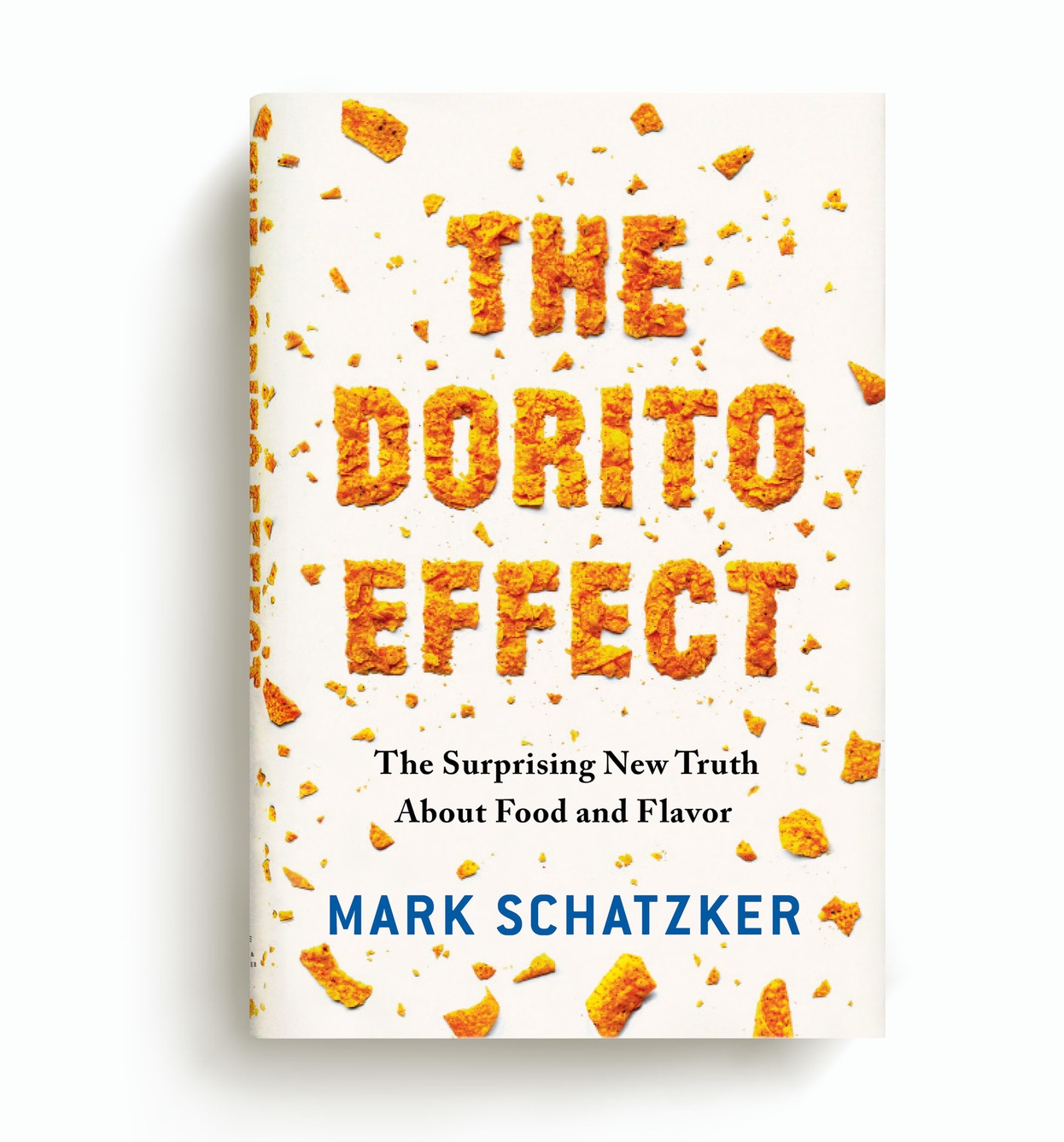
I’m not sure how The Dorito Effect ended up on my reading list (it came out back in 2015), but I’m glad it did. It’s an interesting dive into the world of flavor and how the food industry has quietly changed the way we eat. As someone who follows a whole-food, plant-based diet, I’ll admit the parts about chicken—especially fried chicken—didn’t do much for me. But the sections on tomatoes, and vanilla and its synthetic counterpart vanillin? Those really stuck. I mean, there’s nothing like real vanilla or a sun-ripened heirloom tomato picked right off the vine. Compared to that, supermarket tomatoes are just… sad and bland.
Schatzker’s main idea—what he calls The Dorito Effect—is that over the past handful of decades, real food has lost its natural flavor thanks to industrial farming. To make up for it, food companies started adding artificial flavorings to make bland food taste exciting. This messes with our natural instincts to choose foods based on what our bodies need. Basically, we’re being tricked into eating more and enjoying it less.
He traces the start of all this back to the 1960s, when Frito-Lay launched taco-flavored Doritos. They tasted like tacos but had none of the real ingredients. It was a marketing hit—and a major turning point. Suddenly, taste didn’t need to come from real food anymore. Flavor could be engineered. And once that door opened, the food industry ran with it.
One of the most interesting concepts in the book is “nutritional wisdom”—the idea that humans (and animals) have an instinct for choosing the foods our bodies need. But when everything is artificially flavored, our instincts don’t work the way they’re supposed to. That’s how we end up craving nutrient-poor junk food that’s been engineered to taste amazing.
Schatzker outlines how fake flavors mess with us:
- Dilution: Real food becomes bland, so we stop wanting it.
- Nutritional Decapitation: When we isolate flavor from real ingredients, we lose the nutrition that should come with it.
- False Variety: Fake flavors make similar processed foods seem more diverse than they actually are.
- Cognitive Deception: Our minds get fooled—like when strawberry yogurt tastes like strawberries but doesn’t contain any.
- Emotional Deception: Flavor tech targets the part of our brain that experiences feelings.
- Flavor-Nutrient Confusion: Artificial flavors create expectations that real food can’t meet.
Schatzker makes a strong case that this manipulation of flavor plays a big role in the obesity epidemic and related health issues. We’re eating more but getting less nutrition, and our taste buds—and brains—are confused.
He ultimately argues for going back to real, flavorful food. Eat things that are naturally delicious and you won’t need to fake it with additives. For both health and enjoyment, that’s the way forward.
So, back to the original question: are natural flavors actually natural? Turns out, not really. They start from natural sources, but by the time they’ve been processed in a lab and blended into food, they’re far from what nature intended. Their job is to make things taste good—not to nourish us. That’s why Schatzker (and I) recommend reading ingredient labels closely.
The Dorito Effect is an eye-opening read if you’re curious about nutrition, food science, or why modern food tastes the way it does. It might not appeal to everyone, but if flavor and health matter to you, it’s well worth your time.
Leave a Reply