Author: Peggy White

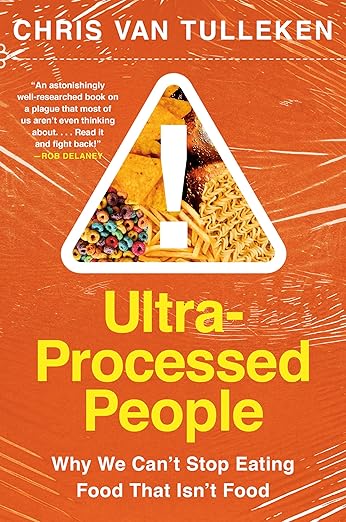
  • Book Review: Ultra-Processed People by Chris van Tulleken

    Book Review: Ultra-Processed People by Chris van Tulleken

    A Fascinating and Informative Deep Dive into Modern Food

    Chris van Tulleken’s Ultra-Processed People is a gripping exposé on the modern food industry, unraveling the science and consequences of ultra-processed foods (UPFs) in a way that is both accessible and deeply compelling.

    With a mix of personal experimentation, scientific research, and historical context, van Tulleken breaks down how UPFs have infiltrated our diets, driving not only poor health outcomes but also reshaping our very relationship with food. He expertly explains how these foods are engineered for overconsumption, designed to be addictive, and often marketed under the guise of convenience or health.

    What makes this book especially powerful is how it connects food choices to broader societal and economic systems. Van Tulleken highlights how food corporations manipulate ingredients, policies, and public perception, prioritizing profits over public health. He also delves into the gut-brain connection, showing how UPFs impact metabolism, hunger hormones, and even mental well-being.

    Beyond being informative, Ultra-Processed People is a wake-up call. It challenges readers to rethink what they eat and how they navigate the modern food landscape. For anyone interested in nutrition, public health, or the food industry’s hidden influences, this book is an essential read.

    If you’re looking for a book that will forever change how you view packaged foods, this is it. Highly recommended!

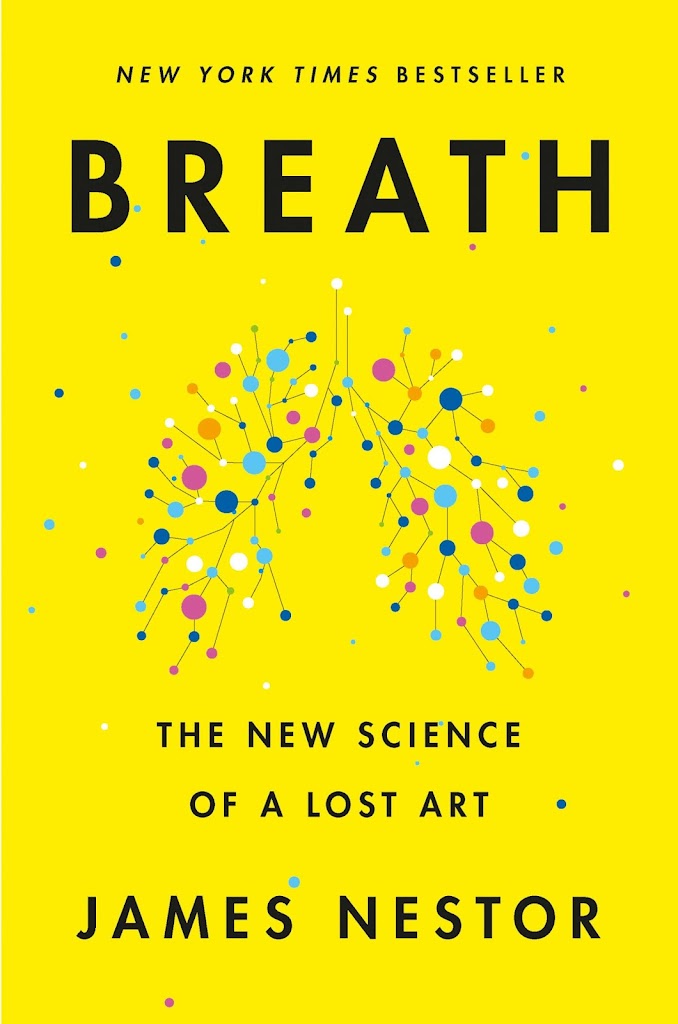
  • Book Review: Breath – The New Science of a Lost Art

    Book Review: Breath – The New Science of a Lost Art

    James Nestor’s Breath is a fascinating deep dive into something we all do—but rarely think about. Blending science, history, and personal experimentation, Nestor uncovers how modern habits have led to dysfunctional breathing and, in turn, a host of health issues.

    One of the book’s strengths is its engaging storytelling. Nestor’s journey, from exploring ancient breathing techniques to undergoing self-experiments that highlight the power of nasal breathing, makes complex science feel accessible and compelling. The research he presents—on everything from the dangers of mouth breathing to the benefits of slow, rhythmic breathing—challenges conventional wisdom and offers practical takeaways for improving overall health.

    For those interested in holistic health, Breath is a game-changer. It sheds light on how something as simple as the way we inhale and exhale can influence sleep, digestion, mental clarity, and even longevity. Having read Breath twice now, I can say it’s one of those books that continues to offer new insights with each read. It’s both educational and actionable, making it a must-read for anyone looking to optimize their health in a simple yet powerful way.

    If you care about your well-being (and who doesn’t?), this book is well worth your time.

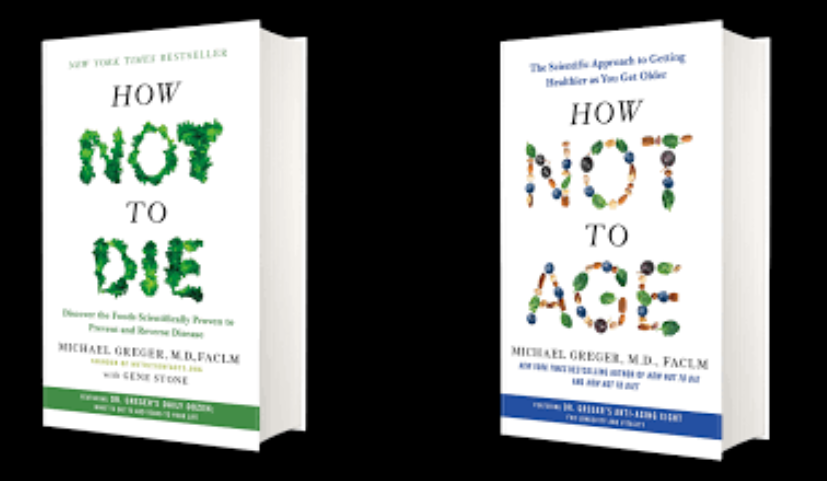
  • Book Comparison of “How Not to Age” and “How Not to Die” by Dr. Michael Greger

    Book Comparison of “How Not to Age” and “How Not to Die” by Dr. Michael Greger


    Dr. Michael Greger, renowned physician, nutritionist, and founder of NutritionFacts.org, has gifted us with two transformative books: How Not to Die (2015) and its recent counterpart, How Not to Age (2023). Both books are rich with evidence-based insights, practical tips, and the empowering message that we can take charge of our health through informed lifestyle choices. While they share some core principles, their focus, tone, and scope differ in meaningful ways. Here is a comparative review to help you determine if and how these books could fit into your wellness journey.

    Focus and Central Premise

    How Not to Die: This book centers on preventing and reversing chronic diseases, such as heart disease, diabetes, cancer, and more. Dr. Greger explores how dietary and lifestyle changes can address the leading causes of premature death. Each chapter focuses on a specific disease, offering a deep dive into its causes and the role of nutrition in prevention and management.

    How Not to Age: In contrast, How Not to Age tackles the science of aging and longevity. Dr. Greger investigates what drives the aging process at a cellular and systemic level, sharing strategies to slow it down. The book combines cutting-edge research on lifespan and healthspan with practical advice on how to extend both. Aging here is presented as a malleable process, not just an inevitable one.

    Writing Style and Tone

    How Not to Die: The tone is urgent yet optimistic. Dr. Greger’s passion for public health shines through as he methodically builds the case for a whole-food, plant-based diet. The book includes vivid case studies and actionable tips, making it accessible to anyone. 

    How Not to Age: While still engaging, the tone in How Not to Age feels more scientific and forward-looking. There’s a heavier emphasis on experimental research. The book does retain Dr. Greger’s characteristic wit but definitely leans more into complex biology.

    Structure and Organization

    How Not to Die: The book is neatly divided into two parts. The first addresses the top killers in Western societies, while the second outlines Dr. Greger’s Daily Dozen checklist—a practical guide to incorporating key health-promoting habits and foods into daily life. This structure is straightforward and user-friendly, especially for people eager to implement changes.

    How Not to Age: This book is organized into thematic sections, covering topics such as cellular repair, mitochondrial function, inflammation, and longevity-promoting diets. While it’s equally well-researched, the structure is denser, reflecting the complexity of aging science. The inclusion of speculative but promising future therapies may intrigue some people but could feel overwhelming to others.

    Practical Takeaways

    How Not to Die: Offers immediately actionable advice grounded in everyday choices. The Daily Dozen simplifies healthy living into manageable steps, making it a great starting point for those new to lifestyle medicine.

    How Not to Age: While practical advice is woven throughout, some recommendations—like fasting regimens or adopting advanced supplements—might feel more advanced. 

    Who Should Read These Books?

    How Not to Die: Ideal for those looking to prevent or reverse chronic diseases, especially if you’re at the beginning of your health journey. It’s perfect for people who want clear, actionable guidance with a strong focus on diet and lifestyle.

    How Not to Age: Best suited for readers interested in longevity and advanced health optimization. Those already familiar with Dr. Greger’s foundational principles may find this a natural progression into more specialized territory.

    Final Thoughts

    While How Not to Die and How Not to Age share a common mission—to help readers lead longer, healthier lives—their approaches diverge significantly. For those seeking immediate, practical tips, How Not to Die is the more approachable choice. Its clear structure and actionable advice make it perfect for anyone wanting to implement healthier habits right away. On the other hand, How Not to Age delves deeply into the science of longevity, which, while fascinating, can feel dense and heavy at times. Readers who enjoy exploring detailed research or are already familiar with foundational health principles may find it rewarding but should be prepared for a more demanding read.

    If you’re just starting your health journey or want simple steps to improve your day-to-day well-being, begin with How Not to Die. For those interested in cutting-edge longevity science and willing to invest more time, How Not to Age offers a compelling next step. Both books, however, are invaluable additions to anyone’s wellness library.


  • Book Review: Why We Sleep by Matthew Walker

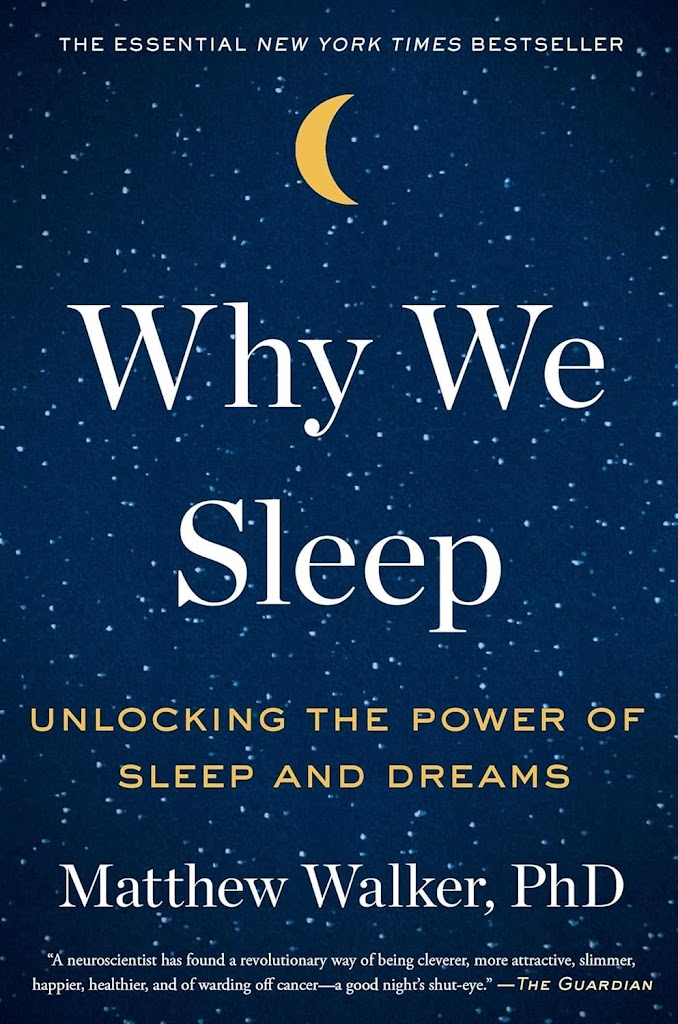
    Book Review: Why We Sleep by Matthew Walker

    If you’ve ever wondered how sleep impacts every facet of your life, Why We Sleep by Matthew Walker is a must-read. Walker, a renowned neuroscientist, explores the fascinating science behind sleep and its profound effects on our health, productivity, and longevity. From improving memory to boosting the immune system, this book convincingly demonstrates why prioritizing sleep is essential for overall well-being.

    I found it to be an eye-opening and highly accessible read—perfect for anyone looking to understand and optimize this vital yet often neglected part of life. Whether you’re a health professional or simply someone aiming for a better night’s rest, this book will change how you think about sleep.

    If listening to podcasts in more your thing, be sure to check out the six-part Huberman Lab series featuring Matthew Walker.

    Both are highly recommended!

  • 🛒 Do you read nutrition labels? 🛒

    🛒 Do you read nutrition labels? 🛒

    Reading a nutrition label can feel overwhelming, but it’s key for making choices that help manage blood sugar, support gut health, and keep you feeling your best. Here’s a quick guide on what to look for:

    1️⃣ Serving Size:
    This is your foundation. All values on the label apply to the listed serving size. If you double the portion, you’re doubling everything—calories, fibre, sodium, etc.

    2️⃣ Fibre:
    Fibre feeds the good bacteria in your gut and helps regulate blood sugar.
    Look for:

    • Very high source of fibre”: 6g or more per serving.

    • High source of fibre”: 4g or more per serving.

    3️⃣ Sugars & Added Sugars:
    Excess sugar can cause blood sugar spikes and upset gut balance. Aim for:

    • Low in sugar”: 5g or less of total sugar per serving (includes natural and added sugars).

    • No added sugars”: The food contains no added sugars-based ingredients or ingredients containing sugars-based ingredients. 

    4️⃣ Ingredients List:
    Shorter is better! Opt for foods with simple, whole-food ingredients like whole grains, fruits, and vegetables. Avoid additives like high-fructose corn syrup and hydrogenated oils.

    5️⃣ Sodium:
    Keep sodium low to support gut health and manage blood pressure. Choose foods more often with 5% Daily Value or lower.  

    6️⃣ Fats:
    Healthy fats are essential for hormone and brain function.

    • Choose unsaturated fats (e.g., olive oil, nuts, seeds).

    • Limit saturated fats (e.g., butter, coconut oil, fatty meats).

    • Always avoid products with “partially hydrogenated oils,” which can contain trace trans fats.

    Taking a few extra seconds to read labels can make a big difference! Start small by checking a few of these items next time you shop, and soon it’ll become second nature.


    Photo by Kampus Production

  • Vitamin D: The Sunshine Vitamin!

    Vitamin D: The Sunshine Vitamin!

    Did you know that Vitamin D isn’t just a vitamin? It acts like a hormone in the body and is essential for many health processes.
    🔹 What is Vitamin D?
    A fat-soluble vitamin that our bodies produce when exposed to sunlight. It’s essential for bone health, immune support, muscle function, brain cell activity, and more. It helps our bodies absorb calcium and phosphorus, keeping our bones strong and reducing the risk of osteoporosis.
    🔹 Why is it Important?
    Adequate levels are linked to improved immune function, mood balance, and even reduced inflammation. It’s also shown to play a role in reducing the risk of some chronic diseases and autoimmune conditions.
    🔹 Factors That Can Reduce Vitamin D Production include:
    • Limited Sun Exposure: Living in northern climates or spending a lot of time indoors.
    • Time of Year: In Canada, the sun isn’t strong enough from October to April to produce sufficient vitamin D.
    • Age: As we age, our skin becomes less efficient at synthesizing vitamin D.
    • Skin Tone: People with darker skin have more melanin, which reduces the skin’s ability to produce vitamin D from sunlight.
    • Sunscreen Use: While sunscreen is important for protecting skin, it also blocks vitamin D production.
    🔹 Food Sources of Vitamin D
    Getting enough vitamin D from food can be challenging, but you can find it in:
    Fatty fish like salmon, mackerel, and sardines, egg yolks, fortified foods like plant-based milk, dairy, and orange juice, and mushrooms exposed to sunlight or UV light.
    🔹 Should You Consider a Supplement?
    Most people do not get the recommended amount of vitamin D from the foods they eat. If you live in a colder climate or don’t get much sunlight—especially in the winter—a supplement may be essential. Those at higher risk of deficiency include older adults (50+), people with darker skin tones, and individuals with digestive conditions that affect nutrient absorption, like IBS.
     
    Check out this site for easy to understand recommendations.


    Photo by Anna Shvets