Category: Health

  • Apples Protect Against Stroke and Feed Your Gut—How to Get the Most

    Apples Protect Against Stroke and Feed Your Gut—How to Get the Most

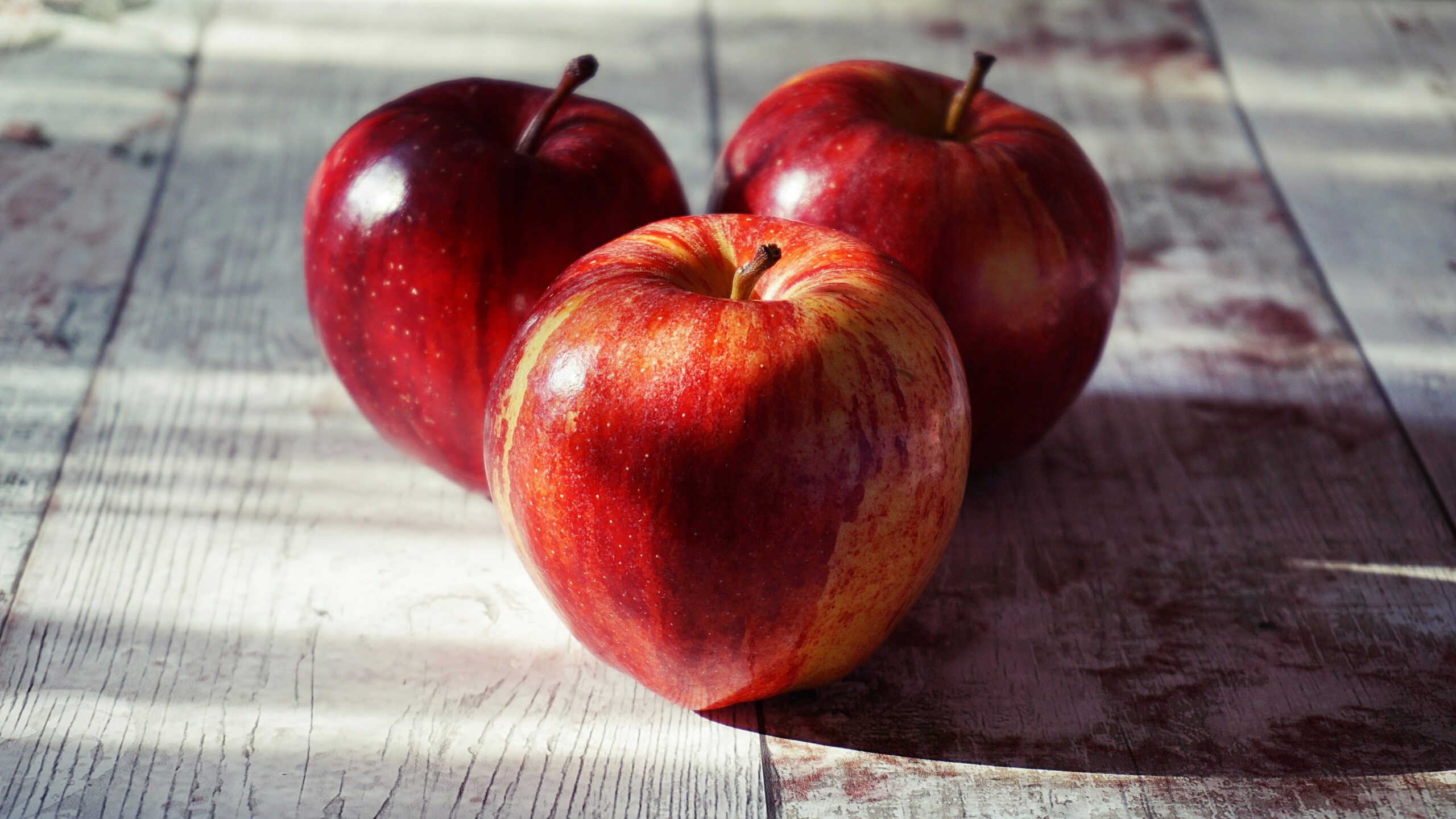
    This is a great article highlighting the many health benefits of apples. They help protect against stroke, feed beneficial gut bacteria, and lower the risk of type 2 diabetes, just a few more reasons to enjoy this seasonal classic. With apple season in full swing, it’s the perfect time to bite into their crisp sweetness or add them to your favourite fall recipes.

    Among other things, this article also includes some fun facts like how apples float in water because they’re made up of about 25% air, and that the only apple native to North America is the crabapple, which may be tart raw but turns delicious in jams, jellies, and cider.

    So go ahead, enjoy an apple (or two) a day. Your body will thank you!

  • Stop blaming yourself for your expanding waistline. The food supply is working against you, expert says

    Stop blaming yourself for your expanding waistline. The food supply is working against you, expert says

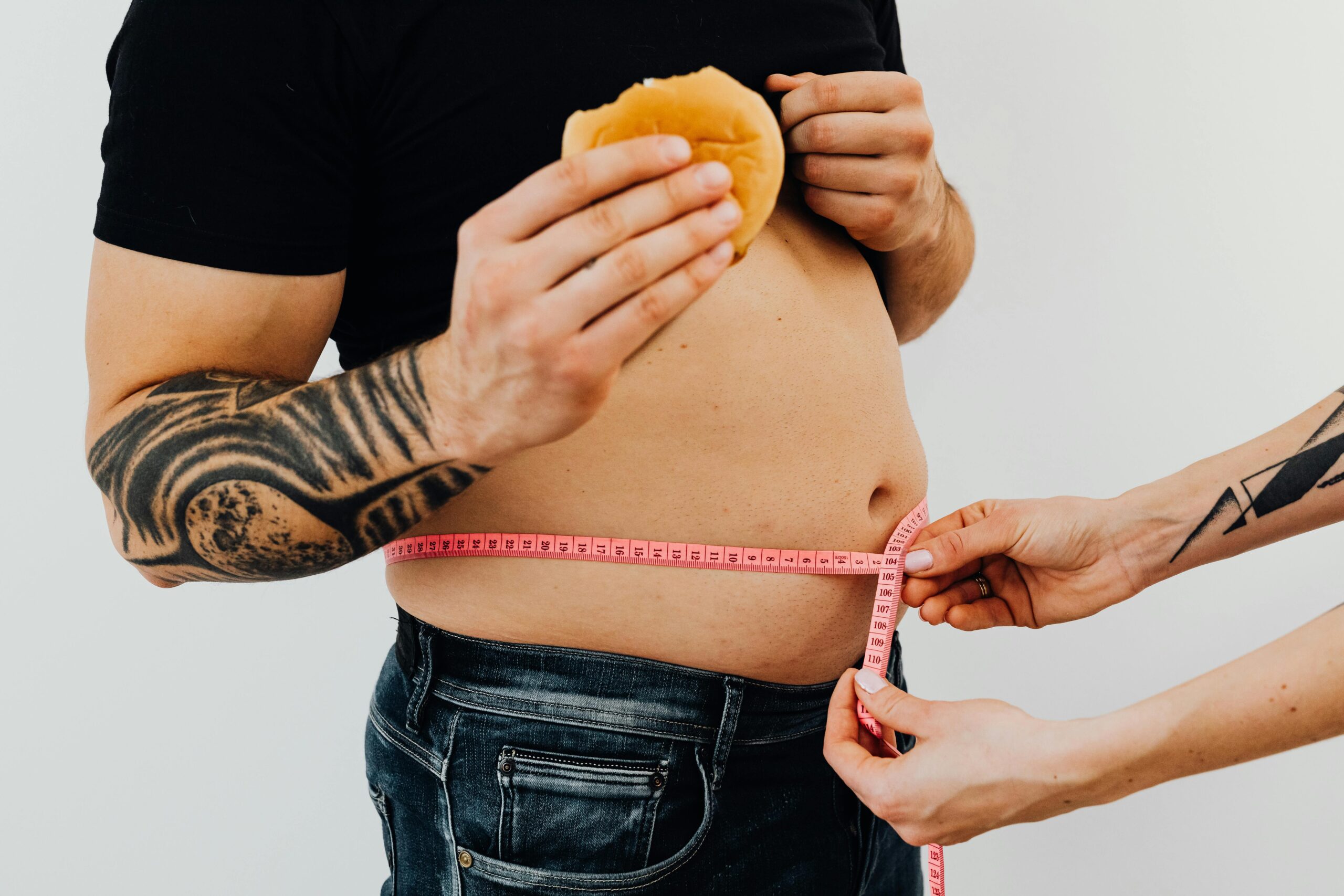
    If you’ve ever blamed yourself for overeating or are struggling with weight, you’re not alone. But according to nutrition scientist Dr. Kevin Hall, the problem isn’t personal weakness, it’s the food environment we all live in.

    Hall, who was a leading researcher at the National Institutes of Health until April when he retired after denouncing censorship of his research, has run some of the most rigorous clinical trials in nutrition science. His studies found that when people were given ultraprocessed foods, the packaged, engineered products that now make up more than half of the average American diet,  they ate hundreds to over a thousand extra calories per day compared to when they ate meals made from whole foods.

    Why? These foods are designed to be both energy-dense (lots of calories in a small portion) and hyperpalatable (that irresistible mix of sugar, salt, and fat that keeps you coming back for more). In other words: it’s not about willpower. These foods override the body’s natural hunger and fullness signals in ways we’re only beginning to understand.

    A few decades ago, “junk food” was an occasional indulgence,  like a slice of Grandma’s pie. Today, highly processed treats are cheap, available everywhere, and heavily marketed, even to kids. That constant exposure makes it almost impossible to avoid overeating.

    Hall stresses that some ultraprocessed foods can still support a healthier diet, think premade sauces, frozen vegetables, or ready-to-eat meals lower in added sugar, salt, and saturated fat. The key is to use these convenient foods to help build meals centered on whole grains, vegetables, fruits, and legumes.

    The bottom line? Overeating isn’t a personal failing, it’s a predictable response to a food environment designed to push us toward cheap, calorie-dense, addictive foods. While individuals can make strategic choices, real change will require reshaping the food system so that nourishing options are the easy, affordable default.

  • What If Anorexia Isn’t Just in the Mind? Exploring the Gut’s Role

    What If Anorexia Isn’t Just in the Mind? Exploring the Gut’s Role


    We’ve long been told that anorexia nervosa is about wanting to be thin, that it’s rooted in body image, perfectionism, or a need for control. But what if that’s only part of the story?

    A recent article from CBC News caught my eye: Anorexia is normally treated with therapy. Now a Canadian team is trying the gut.” It suggests that anorexia might not be just a mental health condition, but something much deeper: a brain-based and metabolic disorder, influenced by biology as much as beliefs.

    Anorexia is a life-threatening eating disorder that causes people to obsess over food and weight. It’s classified as a mental illness and is usually treated with talk therapy. But therapy is only effective for about half of those affected, mostly girls and women. Now, Canadian researchers are testing a new approach that taps into the growing understanding of the gut-brain connection. They’re exploring the use of fecal transplants to change the bacteria in the gut.

    The McMaster University team has received Health Canada approval to run a randomized clinical trial with 20 girls aged 12 to 17 who have been diagnosed with anorexia. Participants will either receive oral “microbiome” capsules, alongside standard treatment to stabilize nutrition and reduce the harmful effects of starvation, or receive family-based treatment alone. Researchers will follow participants for eight weeks during the capsule phase and for four weeks afterward.

    The thinking behind this approach? In people with anorexia, disordered eating patterns may disrupt the way gut microbes influence key functions in the brain and body.

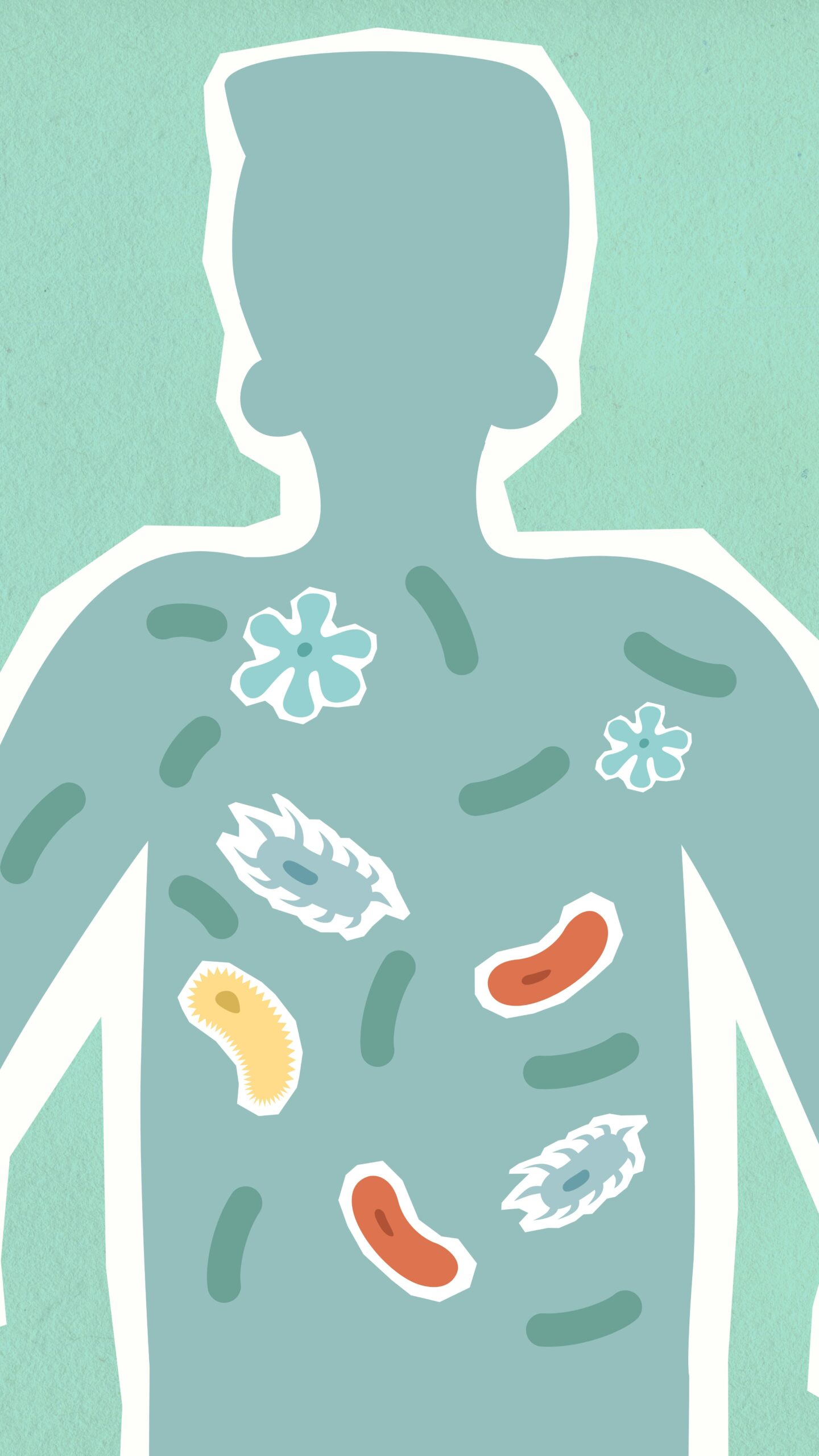
    We know the gut is deeply connected to the brain. They “talk” to each other constantly through the gut-brain axis, a communication superhighway involving nerves, hormones, and immune messengers. When this system is out of balance, it can affect everything from mood and appetite to how the body uses energy.

    People don’t develop anorexia because of moral weakness. Research shows there is a real, physical, and heritable susceptibility. Anorexia appears to be triggered by a combination of nature (genetics) and nurture (life events) not simply by a desire to be thin.

    The CBC article reminds us just how complex eating disorders really are. It’s not as simple as “just eat more” or “just love your body.” For some, the drive to avoid food may be influenced by something as deep as brain chemistry or metabolic wiring. That doesn’t make healing impossible but it does mean we need more tools and a deeper understanding.


  • How Much Does Your Gut Health Impact Your Overall Health? A Lot, Doctors Say

    How Much Does Your Gut Health Impact Your Overall Health? A Lot, Doctors Say

    I always get so excited when I see articles about gut health in the mainstream media. One recent piece highlighted the use of fecal transplants (FT) in healing Clostridium difficile (C. difficile) infections.

    I know, I know—fecal transplants sound gross, but they’ve been shown to be more effective than antibiotics, with success rates over 85% compared to just 50%. C. difficile is known to wipe out healthy microbiomes, and FT can help repopulate them.

    The old saying “you are what you eat” is so true. Did you know your poop is like a fingerprint? Even if you and I ate the exact same foods, our bodies would process them differently. Our digestion is highly individualized, which means everyone’s “poo print” is unique—a reflection of their own gut blueprint.

    When people eat a high-fibre diet rich in vegetables and whole grains, more fibre reaches the colon, where microbes ferment it and release beneficial short-chain fatty acids, like butyrate. Butyrate helps signal the immune system, guiding it on what to do and when.

    So next time you’re reaching for a snack and want a little immune boost, grab a handful of veggie sticks!

  • 🛒 Do you read nutrition labels? 🛒

    🛒 Do you read nutrition labels? 🛒

    Reading a nutrition label can feel overwhelming, but it’s key for making choices that help manage blood sugar, support gut health, and keep you feeling your best. Here’s a quick guide on what to look for:

    1️⃣ Serving Size:
    This is your foundation. All values on the label apply to the listed serving size. If you double the portion, you’re doubling everything—calories, fibre, sodium, etc.

    2️⃣ Fibre:
    Fibre feeds the good bacteria in your gut and helps regulate blood sugar.
    Look for:

    • Very high source of fibre”: 6g or more per serving.

    • High source of fibre”: 4g or more per serving.

    3️⃣ Sugars & Added Sugars:
    Excess sugar can cause blood sugar spikes and upset gut balance. Aim for:

    • Low in sugar”: 5g or less of total sugar per serving (includes natural and added sugars).

    • No added sugars”: The food contains no added sugars-based ingredients or ingredients containing sugars-based ingredients. 

    4️⃣ Ingredients List:
    Shorter is better! Opt for foods with simple, whole-food ingredients like whole grains, fruits, and vegetables. Avoid additives like high-fructose corn syrup and hydrogenated oils.

    5️⃣ Sodium:
    Keep sodium low to support gut health and manage blood pressure. Choose foods more often with 5% Daily Value or lower.  

    6️⃣ Fats:
    Healthy fats are essential for hormone and brain function.

    • Choose unsaturated fats (e.g., olive oil, nuts, seeds).

    • Limit saturated fats (e.g., butter, coconut oil, fatty meats).

    • Always avoid products with “partially hydrogenated oils,” which can contain trace trans fats.

    Taking a few extra seconds to read labels can make a big difference! Start small by checking a few of these items next time you shop, and soon it’ll become second nature.


    Photo by Kampus Production

  • Vitamin D: The Sunshine Vitamin!

    Vitamin D: The Sunshine Vitamin!

    Did you know that Vitamin D isn’t just a vitamin? It acts like a hormone in the body and is essential for many health processes.
    🔹 What is Vitamin D?
    A fat-soluble vitamin that our bodies produce when exposed to sunlight. It’s essential for bone health, immune support, muscle function, brain cell activity, and more. It helps our bodies absorb calcium and phosphorus, keeping our bones strong and reducing the risk of osteoporosis.
    🔹 Why is it Important?
    Adequate levels are linked to improved immune function, mood balance, and even reduced inflammation. It’s also shown to play a role in reducing the risk of some chronic diseases and autoimmune conditions.
    🔹 Factors That Can Reduce Vitamin D Production include:
    • Limited Sun Exposure: Living in northern climates or spending a lot of time indoors.
    • Time of Year: In Canada, the sun isn’t strong enough from October to April to produce sufficient vitamin D.
    • Age: As we age, our skin becomes less efficient at synthesizing vitamin D.
    • Skin Tone: People with darker skin have more melanin, which reduces the skin’s ability to produce vitamin D from sunlight.
    • Sunscreen Use: While sunscreen is important for protecting skin, it also blocks vitamin D production.
    🔹 Food Sources of Vitamin D
    Getting enough vitamin D from food can be challenging, but you can find it in:
    Fatty fish like salmon, mackerel, and sardines, egg yolks, fortified foods like plant-based milk, dairy, and orange juice, and mushrooms exposed to sunlight or UV light.
    🔹 Should You Consider a Supplement?
    Most people do not get the recommended amount of vitamin D from the foods they eat. If you live in a colder climate or don’t get much sunlight—especially in the winter—a supplement may be essential. Those at higher risk of deficiency include older adults (50+), people with darker skin tones, and individuals with digestive conditions that affect nutrient absorption, like IBS.
     
    Check out this site for easy to understand recommendations.


    Photo by Anna Shvets
  • Movember & Men’s Health: Nourish Your Body for a Stronger Future!

    Movember & Men’s Health: Nourish Your Body for a Stronger Future!


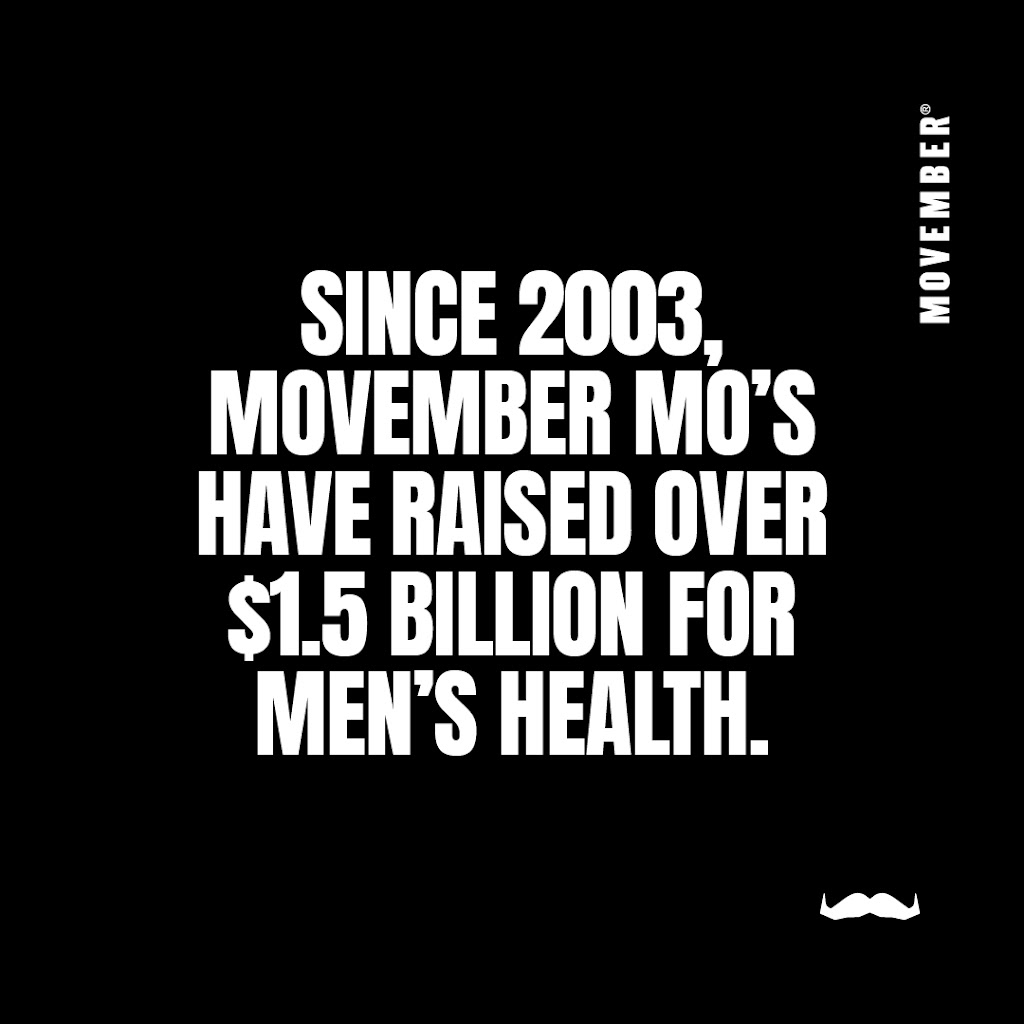
    Movember is here, a month dedicated to raising awareness about men’s health, from mental well-being to physical fitness. One powerful way to support health as a man ages is through nutrition. Small changes in what we eat can make a huge difference in reducing the risk of chronic diseases like heart disease, diabetes, and even some cancers.

    Here are a few nutrition tips to fuel health this Movember:

    Fuel Up on Fibre 🌾
    High-fibre foods like oats, beans, and vegetables are great for digestion and heart health. Fibre-rich foods also help maintain steady blood sugar levels, which is key for preventing diabetes and supporting gut health.

    Prioritize Lean Protein Especially Plant Protein 🥩
    Protein helps maintain muscle mass as we age. Opt for lean sources like legumes, tofu, poultry, or fish. Fish rich in omega-3s, like salmon, is especially beneficial for heart health.

    Focus on Healthy Fats 🥑
    Incorporate healthy fats from sources like olive oil, avocado, nuts and seeds. These fats support brain health, hormone balance, and heart function.

    Support Mental Health with Antioxidants 🫐
    A diet rich in antioxidants from colourful fruits and veggies helps protect brain cells, supporting cognitive health and mood stability. Leafy greens, berries, and citrus fruits are great choices.

    Stay Hydrated 💧
    Drinking enough water is essential for energy, digestion, and mental clarity. Aim for at least 8 cups a day and adjust based on your activity level.

    Making mindful food choices can go a long way in supporting men’s health during Movember and beyond. Embrace a balanced, whole-foods-based diet to protect and enhance your health, one meal at a time!

  • What Are GMOs and Why Should You Avoid Them?

    What Are GMOs and Why Should You Avoid Them?

    What Are GMOs?

    GMOs, or Genetically Modified Organisms, are living organisms whose DNA has been artificially altered in a lab. This is done to make them more resistant to pests, diseases, or environmental conditions. They might sound like something from a science fiction movie, but GMOs are in many of the foods we eat today.

    Why Should You Care?

    Environmental Impact
    GMOs harm our planet. They often lead to an increase in herbicide use, which pollutes water, degrades soil, and destroys natural habitats.Uncertainty About Health
    This increased use of herbicides has been linked to certain illnesses like cancer and Parkinson’s disease.

    Not a precise science
    Making a GMO plant is not a precise science. Scientists cannot be sure that the gene is going to do what they are expecting.

    Lack of Transparency
    In Canada, many GMO products aren’t labeled, so you may not know if you’re eating them.

    How to Avoid GMOs

    Buy Organic: Organic foods are free of synthetic pesticides, fertilizers, and GMOs.

    Look for Non-GMO Project Verified Labels: These labels indicate that the product has been tested and found to be GMO-free.

    Grow Your Own Produce: Start a garden with non-GMO seeds to ensure your food is fresh and healthy.

    Shop: At local farms or farmer’s markets.

    Avoid eating processed foods: 75% of all processed foods have GMO ingredients.

    Food should nourish, not create uncertainty. By avoiding GMOs, you’re choosing health, protecting the environment, and supporting a fair food system. Let’s cultivate a healthier world, one meal at a time.
    Say NO to GMOs!

    Photo by Mikhail Nilov

  • Unleashing the Power of Gut Health: Overcoming Chronic Illness Through Nutrition

    Unleashing the Power of Gut Health: Overcoming Chronic Illness Through Nutrition

    In a world where fast-paced lifestyles often take precedence over health, combating chronic illness has become a crucial aspect of reclaiming wellness. As a nutrition consultant (GutHealthy.ca) dedicated to guiding individuals towards optimal health, I’ve witnessed firsthand the transformative power of nutrition in overcoming chronic conditions.

    Did you know that 80% of your immune system is located in your gut? Optimal well-being therefore begins with a healthy gut. In this article, I’ll share simple but powerful health tips that can transform your life and help overcome chronic illnesses. Are you ready to embark on a journey to better health through nutrition?

    Your gut is more than just a digestion centre; it’s a hub of crucial activities that impact your overall health. At Gut Healthy, I emphasize the profound connection between gut health and chronic illnesses. Research suggests that imbalances in the gut microbiome can contribute to various health issues, including diabetes, autoimmune diseases, inflammation, heart disease, and digestive disorders such as IBS and SIBO.

    The foundation of my approach is rooted in the belief that food can be medicine. Adopting a nutrition-focused lifestyle can play a pivotal role in addressing and overcoming chronic illnesses. By making informed dietary choices, you can positively impact your gut microbiome, reduce inflammation, and pave the way to a healthier, more vibrant life.

    Transform your health with the following gut-healing tips:

    1. Prioritize Whole, Nutrient-Rich Foods: Choose a variety of rainbow coloured fruits and vegetables, lean proteins especially plant-based ones, and whole grains to provide essential nutrients that support overall health.

    2. Include Probiotic-Rich Foods: Incorporate fermented foods like yogurt, sauerkraut, and kimchi into your diet. Probiotics help maintain a healthy balance of gut bacteria, promoting optimal digestive function.

    3. Fibre is Your Friend: High-fibre foods such as legumes, vegetables, fruits, nuts, seeds, and whole grains support gut health by promoting regular bowel movements and nourishing beneficial gut bacteria.

    4. Hydrate for Gut Health: Proper hydration is crucial for digestive function. Aim to drink plenty of water throughout the day to support the movement of food through your digestive system.

    5. Limit Processed Foods and Sugar: Reduce your intake of processed foods and sugars, as they can negatively impact the gut microbiome and contribute to inflammation.

    Unlock the potential for better health by prioritizing your gut. It’s important to note that overcoming chronic illness is not a one-size-fits-all journey. Each individual’s path to wellness is unique and therefore can benefit from personalized attention and support. As a nutrition consultant, I work closely with clients to develop tailored nutrition plans that address their specific health concerns and goals.

    Remember, the key to wellness lies in the choices you make every day. Embrace a gut-healing diet, and let your journey to vibrant health begin today. Visit GutHealthy.ca for more information about personalized nutrition consulting tailored to your unique needs.   

    Peggy White, Holistic Nutritionist