Author: Peggy White

  • Tahini – Lime Drizzle

    Tahini – Lime Drizzle

    Tahini-Lime Drizzle

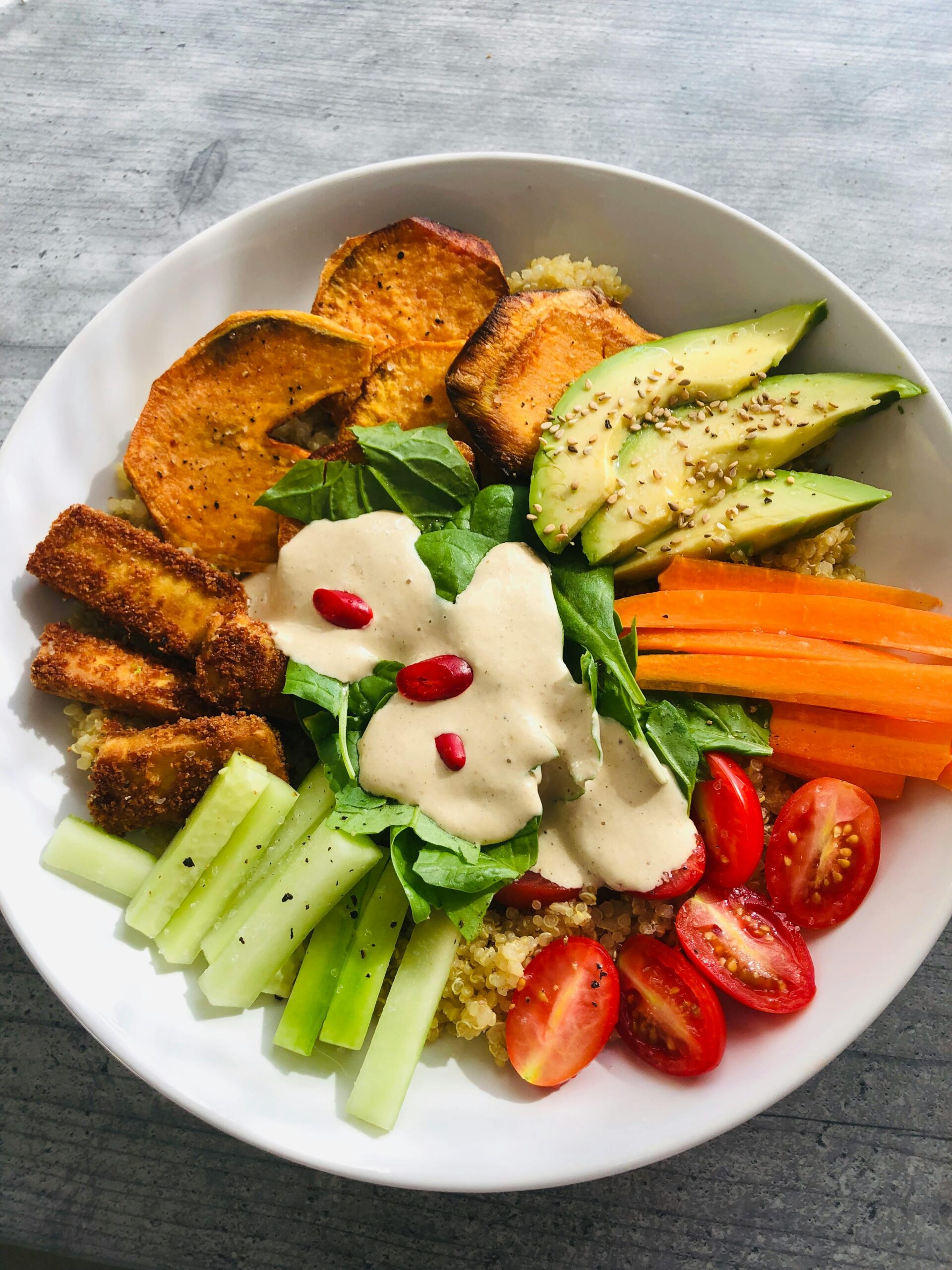
    This quick and tasty salad dressing comes together in minutes and instantly perks up greens, grain bowls, or roasted veggies.
    Course Salad
    Servings 4 ounces

    Ingredients

    • 3 Tbsp tahini well stirred
    • 2 Tbsp freshly squeezed lime juice or lemon
    • 1 small clove garlic finely grated or minced (optional)
    • 2 tsp pure maple syrup
    • Pinch of black pepper
    • 2–4 Tbsp water to thin

    Instructions

    • In a small bowl or jar, whisk together the tahini, lime juice, garlic, maple syrup, salt, and pepper.
    • Add water a tablespoon at a time until the sauce is smooth and pourable.
    • Taste and adjust. Add more lime for brightness, maple for sweetness, or a bit more water for a lighter drizzle.

    Notes

    • Add a teaspoon of freshly grated ginger or a pinch of ground ginger for a warm, zesty kick.
    • For a savoury twist, drizzle with a little tamari or soy sauce before serving.
    • This dressing is fantastic tossed into a salad or used as the dressing for a colourful Buddha bowl.
  • Chipotle – Maple Butternut & Tofu Sheet Pan Meal

    Chipotle – Maple Butternut & Tofu Sheet Pan Meal

    Chipotle – Maple Butternut & Tofu Sheet Pan Meal

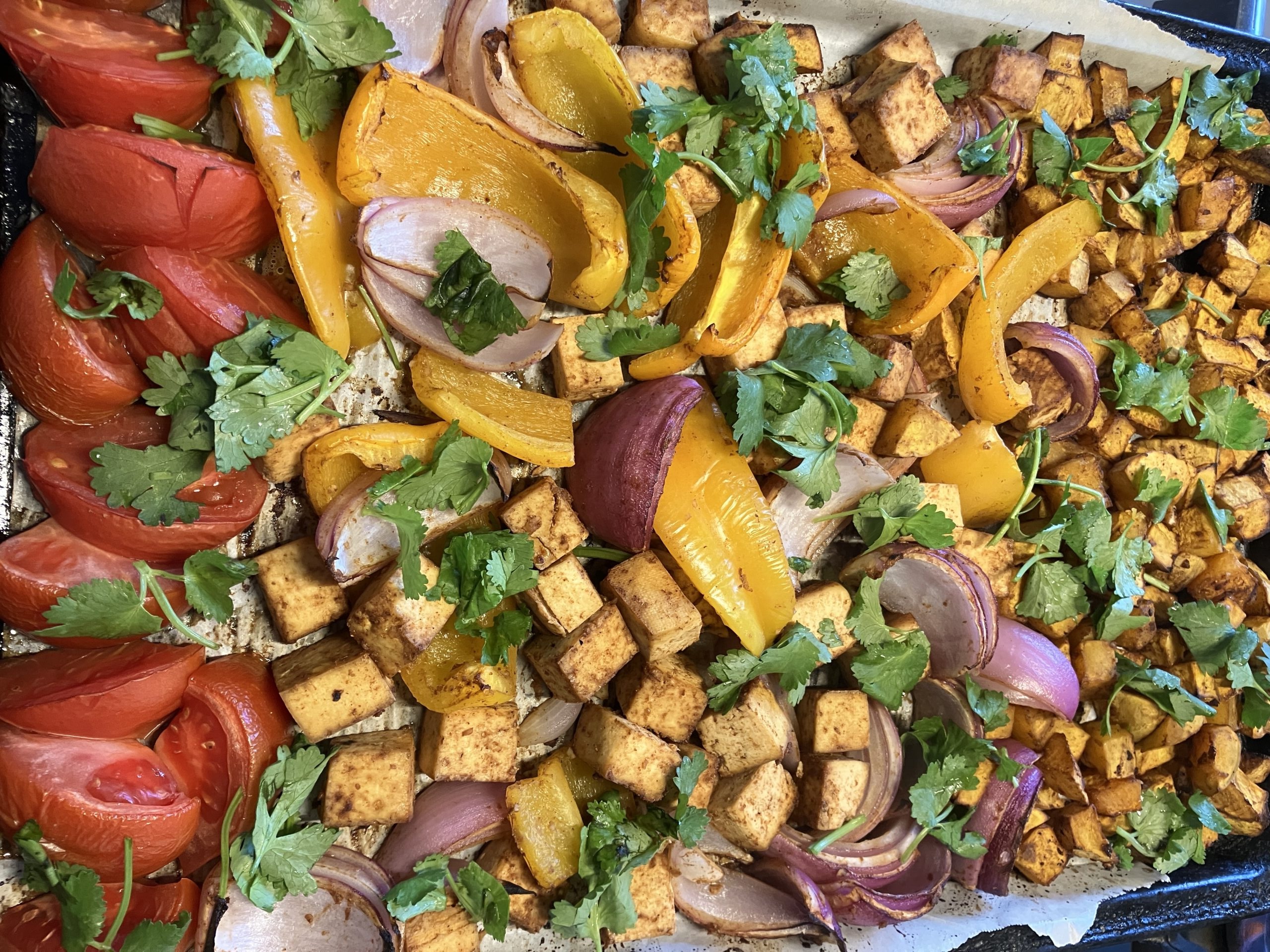
    Bring the farmers’ market to your oven with this smoky-sweet sheet pan dinner! Roasted butternut, peppers, onions, tomatoes, and crispy-edged tofu caramelize under a chipotle-maple glaze while they bake, so easy and so colourful. Don't worry about extras, because tomorrow’s leftovers shine in wraps, grain bowls, or over a pile of leafy greens. Packed with plant protein, fibre, and beta carotene, it’s a cozy way to eat the rainbow.
    Course Main Course
    Servings 4

    Ingredients

    • 1 small butternut squash peeled and cut into ¾-inch cubes
    • 1 block extra-firm tofu drained, pressed, and cut into 1-inch cubes
    • 1 large red onion sliced into thick wedges
    • 2 bell peppers any color, cut into 1-inch strips
    • 2 tomatoes cut into wedges (or sub a handful of cherry tomatoes)
    • 3 cloves garlic minced
    • 3 Tbsp pure maple syrup
    • 3 Tbsp balsamic vinegar or lemon juice
    • 1 tsp smoked paprika
    • 2 tsp chipotle chili powder adjust for heat
    • freshly ground black pepper to taste
    • optional garnish: chopped cilantro or parsley, squeeze of lime

    Instructions

    • Preheat oven to 425°F. Line a large sheet pan with parchment paper or a silicone mat.
    • In a small bowl, whisk together maple syrup, balsamic vinegar or lemon juice, smoked paprika, chipotle powder, and garlic.
    • Place the cut squash into a large bowl and pour roughly ½ the marinate over it, tossing well to coat.
    • Spread squash out in a single layer on prepared pan and roast for 25 minutes.
    • Meanwhile, add the tofu to the same large bowl and toss with the remaining marinade. Set aside while you prepare the onion, peppers, and tomatoes.
    • After the squash has cooked for 25 minutes, remove from the oven and stir.
    • Add the onions and peppers to the tofu and toss to coat. Place this mixture on the prepared pan with the squash. Bake for 10 minutes.
    • Remove from oven, give everything a stir, then add the tomatoes and bake for another 10-15 minutes or until the squash is tender.
    • Taste, adjust seasoning, and finish with herbs or lime if desired.

    Notes

    • Serving ideas: Spoon over brown rice, millet, quinoa, or greens, and drizzle with a quick tahini–lime sauce for extra creaminess. I also love it with salsa on the side for dipping!
    • Buddha Bowl Magic: Leftovers make a perfect base for a quick Buddha bowl, just add cooked grains, leafy greens, or a dollop of hummus.
    • Veggie Swap: Mix it up with other roast-friendly vegetables such as sweet potatoes, parsnips, broccoli or cauliflower.
    • Protein Boost: Toss in a cup of cooked chickpeas along with the tofu for extra protein and texture.
  • Fluffy Pear & Cinnamon Cake

    Fluffy Pear & Cinnamon Cake

    Fluffy Pear & Cinnamon Cake

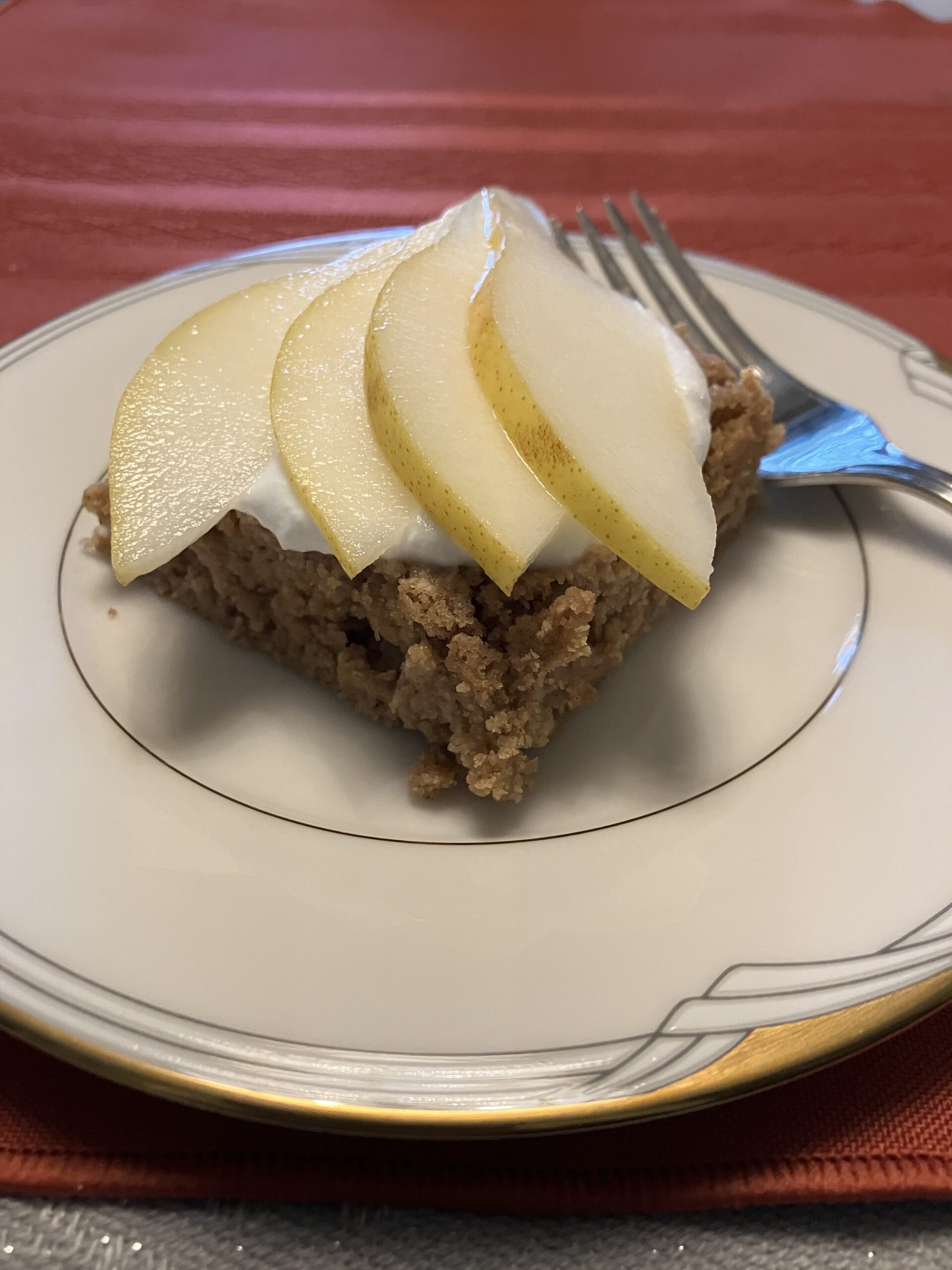
    Cozy up with this tender pear and cinnamon cake, a wholesome treat that celebrates autumn’s softer side. Bruised or perfectly ripe pears melt into the batter, adding natural sweetness and moisture, while whipped aquafaba keeps every bite light and fluffy. Free of gluten, dairy, and refined oils, it’s a lovely dessert or afternoon snack – warm, fragrant, and satisfying, just right for a crisp fall day.

    Ingredients

    • 1/3 cup Aquafaba
    • 1/2 cup Pear peeled and mashed, one large pear
    • 1/3 cup Unsweetened Applesauce
    • 1/4 cup Date Paste or maple syrup
    • 1 tsp Vanilla Extract
    • 1 cup Oat Flour
    • 1/2 cup Almond Flour
    • 1 tsp Baking Powder
    • 1/2 tsp Baking Soda
    • 1 tsp Cinnamon
    • 1/4 tsp Nutmeg optional
    • 1/4 tsp Ginger optional

    Instructions

    • Preheat oven to 350 °F. Line an 8-inch square with parchment.
    • In a clean bowl, whip the aquafaba with a hand mixer or whisk until soft peaks form (2–3 min).
    • In another bowl, stir together the mashed pear, applesauce, date paste or maple syrup, and vanilla.
    • Whisk the oat flour, almond flour, baking powder, baking soda, cinnamon, optional nutmeg, and ginger in a separate bowl.
    • Fold the dry mix into the pear mixture just until no dry flour shows.
    • Gently fold in the whipped aquafaba in two additions, keeping as much air as possible.
    • Spread the batter evenly in the prepared pan.
    • Bake 28–34 min, until golden and a toothpick inserted in the centre comes out clean.
    • Cool at least 15 min before slicing.

    Notes

    Nut free option
    Swap the almond flour for oat flour.
    Topping
    Before baking, sprinkle the top with extra cinnamon or a few walnut pieces.
  • Goji Berry & Walnut Zucchini Muffins

    Goji Berry & Walnut Zucchini Muffins

    Goji Berry & Walnut Zucchini Muffins

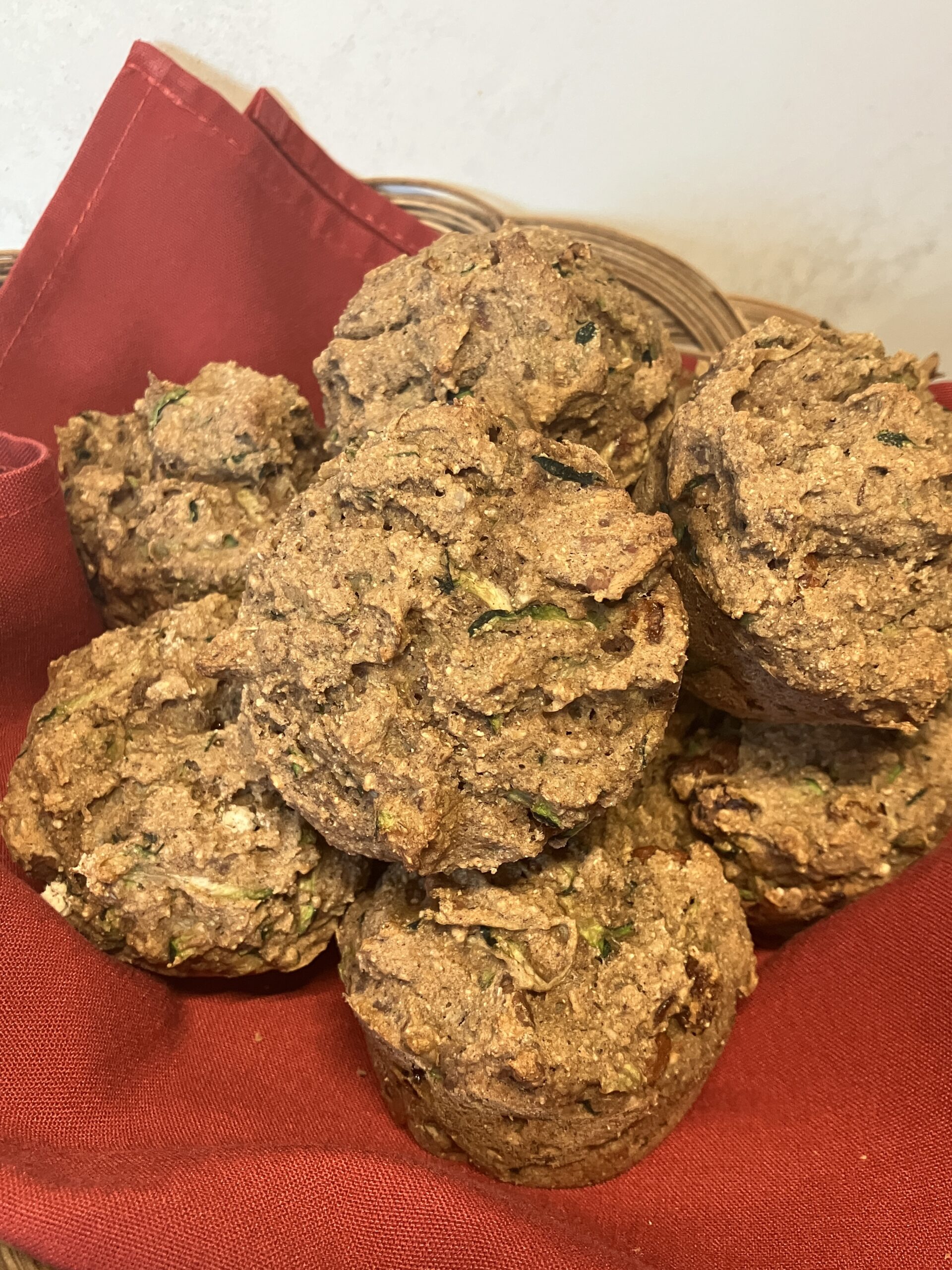
    Moist, hearty, and lightly sweet, these muffins are packed with fibre, healthy fats, and a touch of natural sweetness from zucchini and date paste. Perfect for breakfast, snacks, or on-the-go!
    Servings 12 muffins

    Ingredients

    Dry

    • 2 cups oat flour
    • ¼ cup ground flaxseed
    • 1 tsp cinnamon
    • 2 tsp baking powder
    • ½ tsp baking soda

    Wet

    • 2 cups zucchini grated and squeezed to remove excess water
    • cup date paste
    • ¼ cup applesauce
    • ¾ cup soy milk

    Add-ins

    • ¼ cup goji berries
    • cup chopped walnuts or pecans

    Variations

    • mini chocolate chips, raisins, dried cranberries, pumpkin seeds, shredded coconut, or blueberries

    Instructions

    • Preheat oven to 350°F (175°C). Lightly grease or line a muffin tin.
    • In a large bowl, whisk together oat flour, ground flaxseed, cinnamon, baking powder, and baking soda.
    • In another bowl, mix grated and squeezed zucchini, date paste, applesauce, and soy milk until smooth.
    • Pour wet ingredients into dry and stir gently until just combined.
    • Fold in goji berries and walnuts (plus any optional add-ins).
    • If time allows, let the batter rest for 10 minutes before filling muffin tins.
    • Spoon batter evenly into the cups.
    • Bake for about 25 minutes, or until a toothpick comes out clean.
    • Let muffins cool in the pan for 10 minutes, then transfer to a wire rack to finish cooling.

    Notes

    Room temperature: Store in an airtight container for up to 2 days.
    Refrigerator: Keeps well for 4–5 days.
    Freezer: Wrap individually and freeze for up to 2 months. Thaw overnight or warm in the oven/toaster before enjoying.
  • Book Review: The Gut-Brain Paradox by Steven R. Gundry

    Book Review: The Gut-Brain Paradox by Steven R. Gundry

    Spoiler alert: This book is not worth your time.

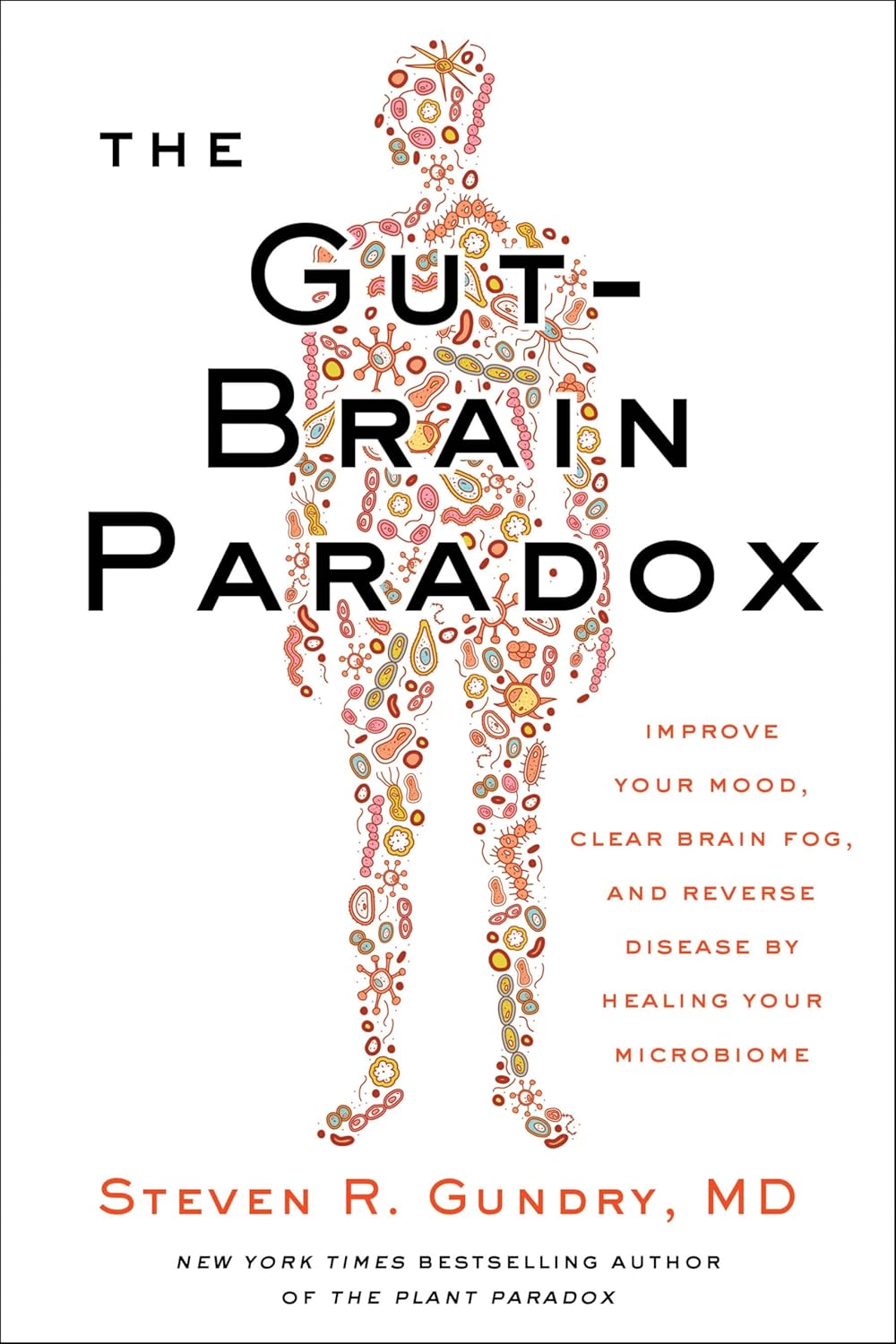
    When I went looking for a new gut health read this summer, this one popped up, so I borrowed it from the library. At first glance, it looked reputable: Steven Gundry is an MD and a New York Times bestselling author, the back cover is plastered with endorsements (including big names like Daniel Amen and Terry Wahls), and nearly a third of the book is the reference list. Promising, right? Wrong. The subtitle: “Improve your mood, clear brain fog, and reverse disease by healing your microbiome” sounded right up my alley, right?  Wrong again.

    This book is riddled with pseudoscience, and one of the worst offenders is Gundry’s advice to avoid all foods containing lectins (beans, lentils, whole grains, bell peppers, soy, potatoes, etc.), foods that are staples in Blue Zone populations, some of the longest-lived people on Earth. But the real jaw-dropper came in the “Do: Get Your Fiber” section, where he writes: “Finally, don’t forget your animal fiber.”

    Animal fiber?! Is that even a thing? According to Gundry, examples include “ligaments, tendons, bones, and cartilage of meat and fish” and contribute to gut health. He even cites a study so I checked it. The article, from the Journal of Animal Science, is titled: “Fermentation of animal components in strict carnivores: A comparative study with cheetah fecal inoculum.” Yes, you read that right. His recommendation for humans is based on cheetah poop.

    At that point, I dug deeper. I found a scathing review by Drs. T. Colin Campbell, PhD, and Thomas Campbell, MD (T. Colin Campbell Center for Nutrition Studies) of Gundry’s earlier book, The Plant Paradox. And Dr. Michael Greger of NutritionFacts.org made a short video about that same book with the tagline: “A book purported to expose the ‘hidden dangers’ in healthy foods doesn’t even pass the whiff test.”

    Now, to be fair, Gundry does offer some decent advice: eat fermented foods, polyphenols, vegetables, healthy fats, get vitamin D, avoid processed foods, and don’t overdo protein. But with all the pseudoscience, and his supplement and skincare lines, it’s hard not to call him a quack out to make a buck.

    I’ll let the Campbells’ words about The Plant Paradox sum it up: “What a shame that this type of unscientific nonsense creates so much unnecessary confusion, with deadly consequences.”

    My verdict: Give this one a wide pass.



  • Electrolytes: More Than Just a Sports Drink Buzzword – August 2025 News from Gut Healthy

    Electrolytes: More Than Just a Sports Drink Buzzword – August 2025 News from Gut Healthy

    Think electrolytes are just for athletes? Think again! Your body relies on them every day and summer heat makes them even more important. Dive into my August newsletter for tips, a zucchini recipe, a book review, and more.

  • Baked Zucchini Chickpea Fritters

    Baked Zucchini Chickpea Fritters

    Baked Zucchini Chickpea Fritters

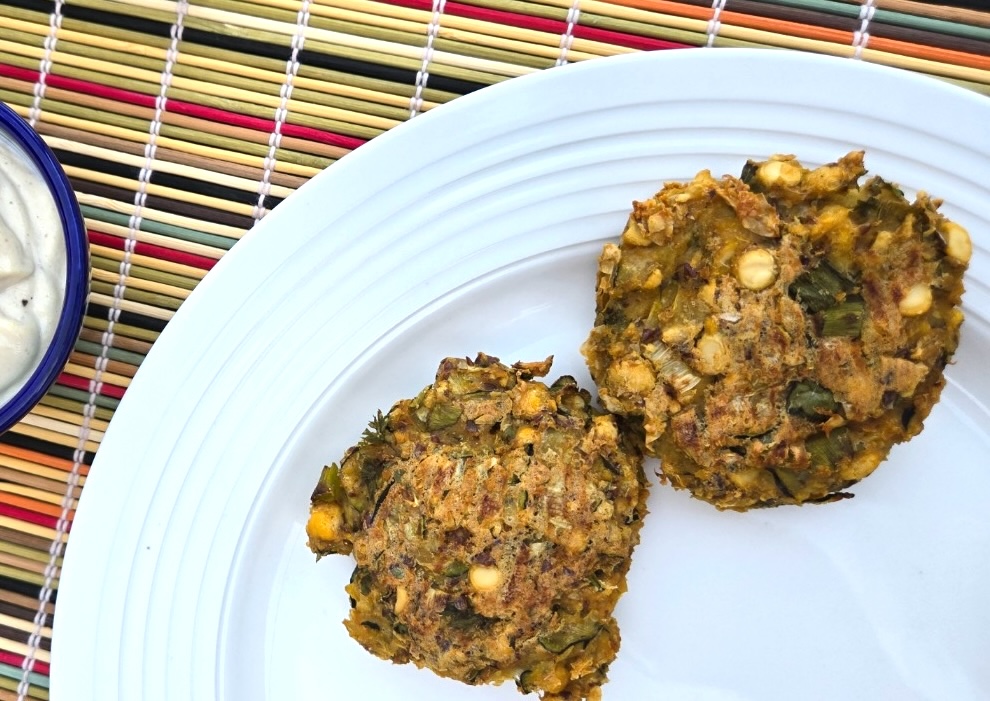
    Zucchini is one of those vegetables that shows up in abundance in the summer and it’s a wonderful way to add lightness, fibre, and hydration to your meals. These baked zucchini chickpea fritters are a nourishing option when you want something satisfying but not heavy. They’re plant-based, naturally gluten-free, and baked instead of fried, so you get all the flavour with a lighter touch. I like them as a quick lunch with a dollop of salsa, on top of a salad for extra protein, or tucked into a wrap when I need something portable. They also keep well, making them a simple meal-prep option you can enjoy throughout the week.
    Servings 10 fritters

    Ingredients

    • 2 medium zucchinis grated (about 2 cups)
    • 1/2 tsp sea salt to draw out water from zucchini
    • 1 1/2 cups chickpeas 15 oz can
    • 1/4 cup oat flour or chickpea flour
    • 2 tbsps ground flax seed
    • 3 tbsps water
    • 1 tbsp lemon juice
    • 3 garlic cloves minced
    • 1/4 cup red onion chopped (or green onion)
    • 1/4 cup parsley or fresh dill
    • 1 tsp cumin
    • 1 tsp smoked paprika
    • 2 tbsps nutritional yeast optional

    Instructions

    • Prep the zucchini: Grate zucchini and sprinkle with 1/2 tsp salt. Let sit in a bowl for 10–15 minutes. Then, using a clean kitchen towel or cheesecloth, squeeze out as much moisture as possible.
    • Make the flax egg: In a small bowl, mix ground flaxseed with 3 tbsp water. Let sit for 5–10 minutes until it gels.
    • Mash chickpeas: In a large mixing bowl, mash the chickpeas with a fork or potato masher, leaving a few chunks for texture.
    • Mix everything: Add the squeezed zucchini, flax egg, oat flour, lemon juice, garlic, onion, parsley, cumin, paprika, and optional nutritional yeast to the mashed chickpeas. Stir until well combined. Season with salt and pepper to taste.
    • Let the mixture rest: Cover the bowl and let the mixture sit for 10–15 minutes. This allows the flour and flax to absorb moisture and makes the mixture easier to shape.
    • Form patties: With damp hands, shape the mixture into small patties (about 10-12). If the mixture still feels too wet, add a bit more flour, 1 tablespoon at a time.
    • Bake: Place the patties on a parchment-lined baking sheet. Bake at 400°F for 20 minutes, then flip and bake for another 15–20 minutes until golden brown and firm.
    • Cool and serve: Let the fritters cool slightly before serving. They firm up even more as they cool.

    Notes

    Squeezing zucchini is key: The more water you press out, the firmer your fritters will be.
    Rest the batter: Don’t skip the 10–15 minute rest before shaping. It helps everything bind.
    Serving ideas: Topped with salsa or a lemon-tahini sauce, in a wrap with greens, on a salad for added protein, as a burger patty substitute.
    Storage: Store leftovers in an airtight container in the fridge for up to 4 days.
    Reheating: Warm fritters in a 375°F oven for 8–10 minutes, or in a skillet over medium heat until heated through and crisp. They can also be frozen (up to 2 months) and reheated straight from frozen.
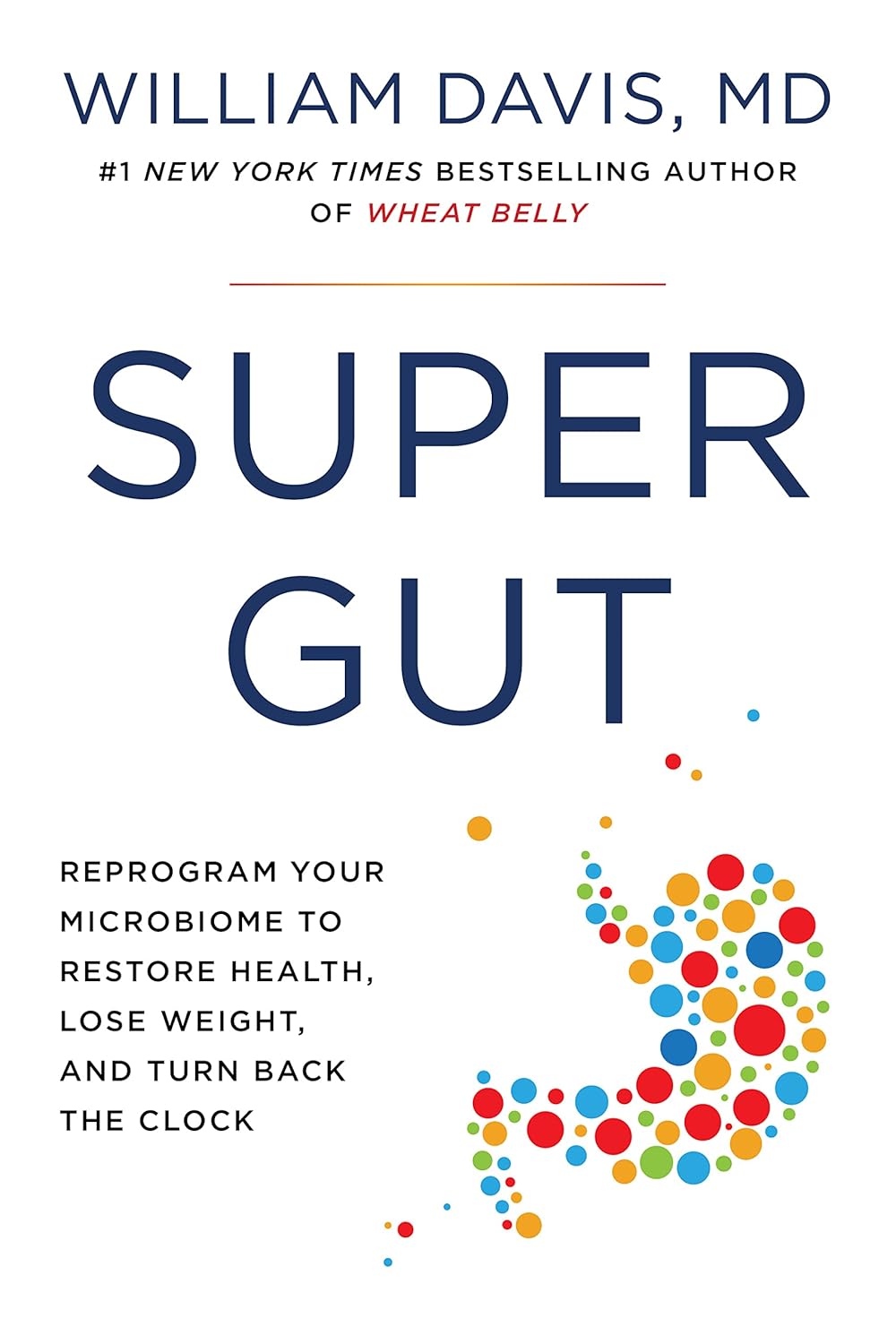
  • Book Review: Super Gut: Reprogram Your Microbiome to Restore Health, Lose Weight, and Turn Back the Clock by William Davis

    Book Review: Super Gut: Reprogram Your Microbiome to Restore Health, Lose Weight, and Turn Back the Clock by William Davis

    This is a book I often recommend, and I regularly hear back that it’s made a real difference. If the author’s name sounds familiar, you might recall Wheat Belly, his bestselling book from over a decade ago.

    Super Gut is an engaging, easy read that manages to entertain while explaining complex science. It’s divided into four parts with cheeky titles: Bowel Blues, Frankenbelly & Friends, Gut Reaction, and Build Your Own Super Gut: A Four-Week Program. Davis draws strong connections between gut health and a range of modern ailments, then outlines practical protocols for healing the gut.

    In Part 2, Davis explains how modern inventions like antibiotics, pesticides, herbicides, and processed diets have contributed to what he calls the “Frankenbelly”, a microbiome so disrupted it’s nearly unrecognizable as human. He discusses the importance of mucus in gut health, the role of prebiotic fibers in feeding beneficial bacteria, and how changes in the gut environment can lead to bacterial and fungal overgrowth.

    Part 3 dives into SIBO (Small Intestinal Bacterial Overgrowth) and SIFO (Small Intestinal Fungal Overgrowth). Davis explains how these imbalances occur, the symptoms they produce (like food intolerances, skin rashes, and sugar cravings), and their connection to conditions such as obesity, IBS, Parkinson’s, and depression. While the information can be sobering, he offers hope by emphasizing that healing is possible and well worth the effort.

    Finally, Part 4 outlines a four-week gut-healing protocol, including recipes for homemade probiotic-rich yogurt and other microbiome-friendly foods. Davis’ protocol requires readers to eliminate factors that can disrupt the microbiome. This list includes avoiding sugar, synthetic sweeteners, and emulsifiers, to name a few.

    Although I don’t agree with all of his nutritional recommendations, if you’re curious about the gut microbiome and want actionable steps to improve your health, Super Gut is a fascinating and worthwhile read.

  • When Food Fights Back: Protecting Your Gut This Summer – July 2025 News

    When Food Fights Back: Protecting Your Gut This Summer – July 2025 News


    Summer brings sunshine, fresh produce, and outdoor meals but it also comes with a higher risk of food poisoning. In this month’s newsletter, I’m diving into how food borne illness can affect your gut far beyond a day or two of discomfort, including its surprising link to long-term digestive issues like SIBO and IBS.
    Plus, I’m sharing a gut-friendly plant-based recipe and announcing my new cooking classes being offered through Panorama Recreation.


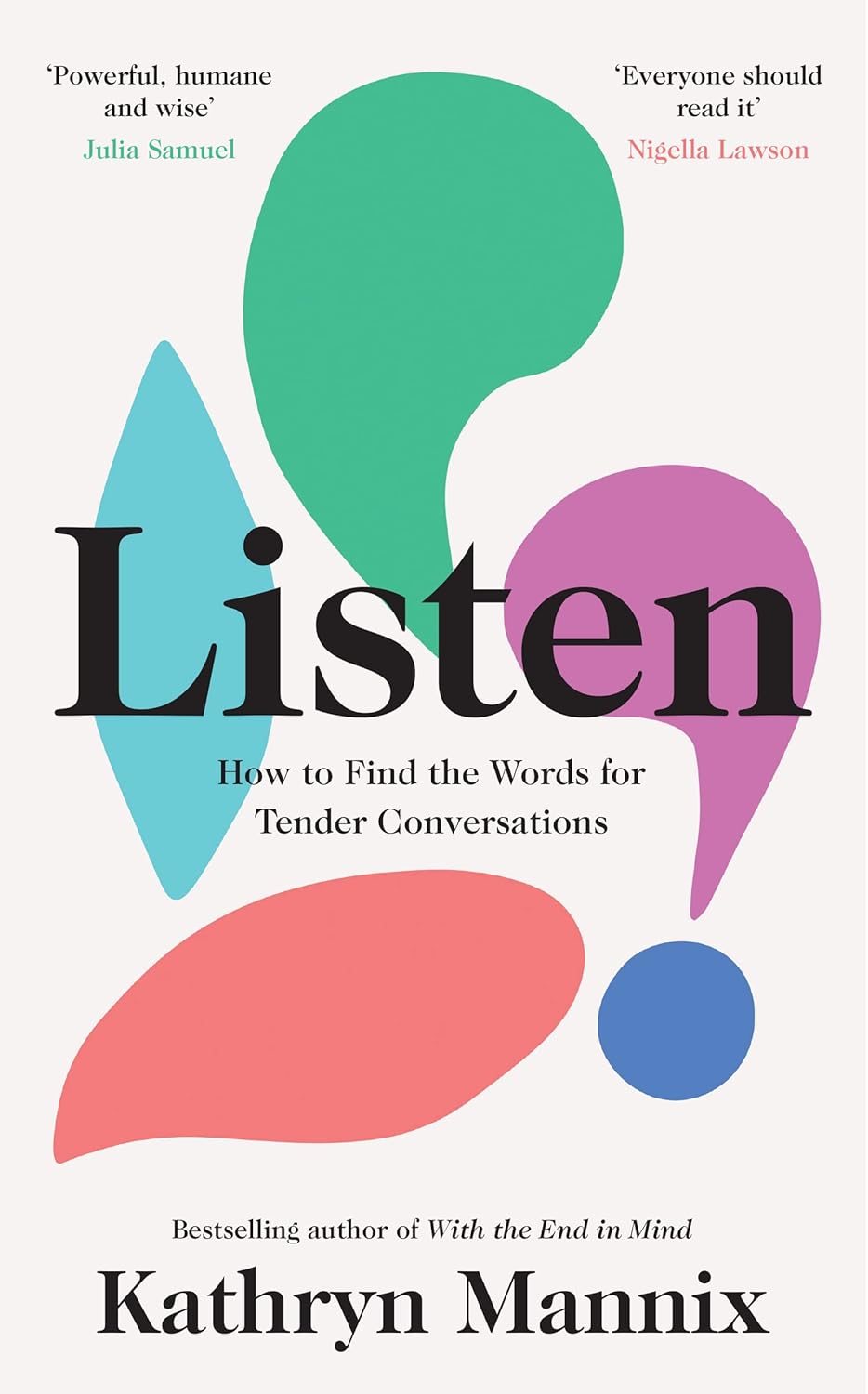
  • Book Review:  Listen by Kathryn Mannix

    Book Review:  Listen by Kathryn Mannix

    “Right now, there is quite likely to be a conversation you are trying to avoid. It is probably one that is important to you, but it has a quality of discomfort to it.”

    This month, I took a break from my usual nutrition-focused reading and finally sat down with Listen: How to Find the Words for Tender Conversations by Kathryn Mannix. It’s been sitting in my to-read pile since it was published in 2021. (You may know Mannix from her bestselling book With the End in Mind.)

    As I’ve mentioned before, lifestyle medicine is built on six foundational pillars: a whole-food, plant-predominant eating pattern, regular physical activity, restorative sleep, stress management, avoidance of risky substances, and positive social connections. These pillars are deeply interconnected and form the basis for preventing, treating, and managing chronic diseases. Mannix’s Listen is a powerful resource for strengthening the pillar of positive social connection.

    What a resource this book is! In the first part, Mannix breaks down the basic skills required to open up meaningful dialogue, especially what she calls “tender conversations.” The later chapters show how to apply these skills in particularly difficult or emotionally charged situations. While the book ends with a helpful “style guide” of useful phrases, the bulk of its power lies in storytelling. Mannix emphasizes that for a conversation to feel genuine, it must come from our own words. The stories she shares are incredibly moving, so many of them resonated with me on a deeply personal level. 

    The chapter that stood out the most for me was titled Where Are the Listening Spaces? In it, Mannix discusses social prescribing, a practice in which healthcare providers refer patients to non-medical, community-based support systems to improve overall well-being. She writes:

    Social prescribing recognizes that we are social beings and that connection is good for us, boosts our mood, and keeps us healthy.

    She also introduces the concept of Compassionate Space—places where people can connect, share stories, listen, and co-create meaning together. 

    This book has me thinking about how I can integrate the skills of tender conversation into my own life, both personally and professionally. Mannix leaves us with a guiding message, one that has stayed with me:

    “Compassion shared transforms lives, and listening is a good place to start.”