
This gut-friendly chickpea and ginger soup is one of those recipes you’ll come back to again and again. It’s easy on the digestive system, rich in fibre and plant-based protein, and comes together in under 30 minutes, perfect for busy days or when your gut needs a little extra care. Whether you enjoy it as-is, add some rice or noodles to make it heartier, or spice it up with a touch of curry powder, this simple soup adapts to your day.
Author: Peggy White
-
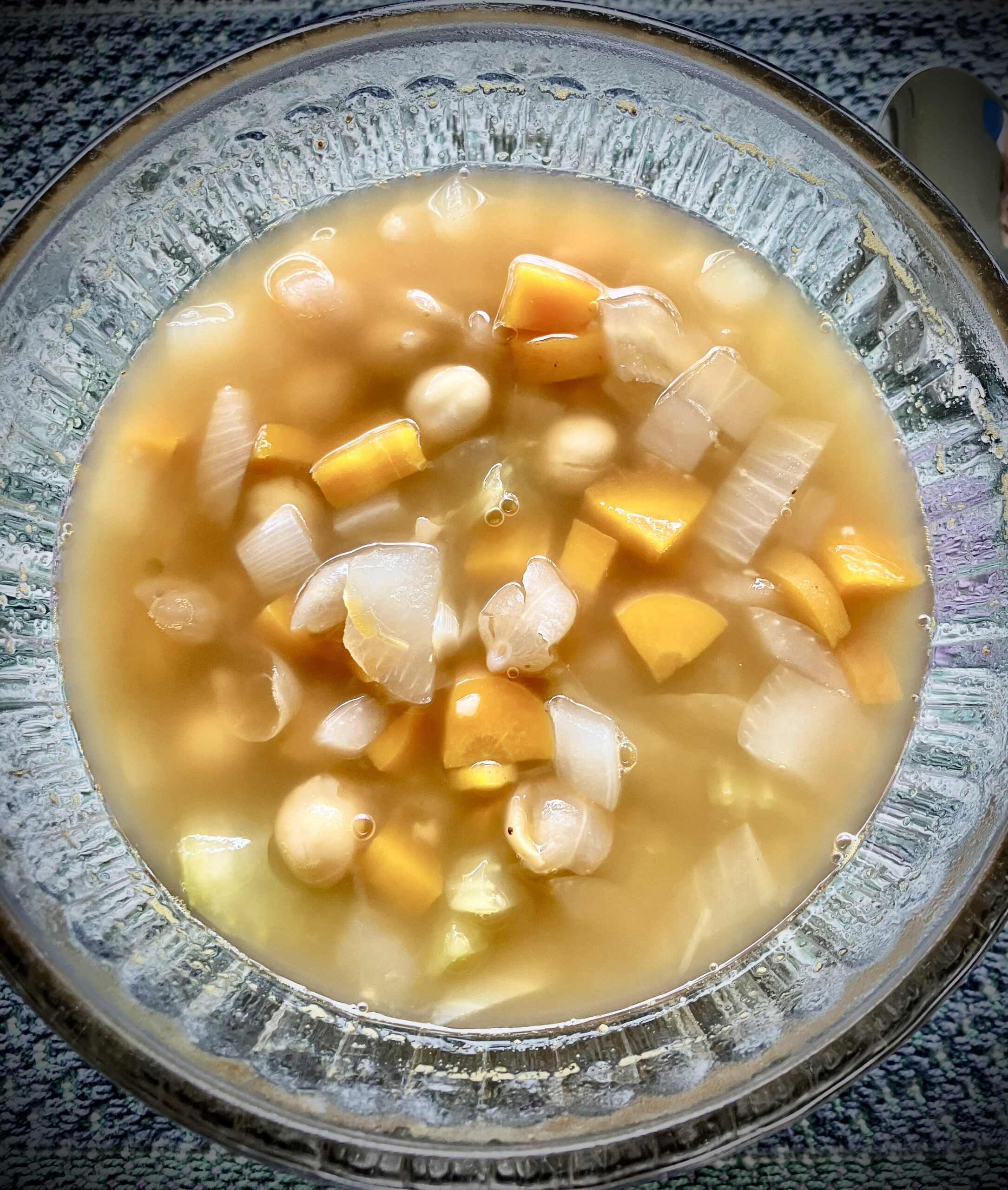
Soothing Chickpea & Ginger Soup
-
What If Anorexia Isn’t Just in the Mind? Exploring the Gut’s Role
We’ve long been told that anorexia nervosa is about wanting to be thin, that it’s rooted in body image, perfectionism, or a need for control. But what if that’s only part of the story?A recent article from CBC News caught my eye: “Anorexia is normally treated with therapy. Now a Canadian team is trying the gut.” It suggests that anorexia might not be just a mental health condition, but something much deeper: a brain-based and metabolic disorder, influenced by biology as much as beliefs.
Anorexia is a life-threatening eating disorder that causes people to obsess over food and weight. It’s classified as a mental illness and is usually treated with talk therapy. But therapy is only effective for about half of those affected, mostly girls and women. Now, Canadian researchers are testing a new approach that taps into the growing understanding of the gut-brain connection. They’re exploring the use of fecal transplants to change the bacteria in the gut.
The McMaster University team has received Health Canada approval to run a randomized clinical trial with 20 girls aged 12 to 17 who have been diagnosed with anorexia. Participants will either receive oral “microbiome” capsules, alongside standard treatment to stabilize nutrition and reduce the harmful effects of starvation, or receive family-based treatment alone. Researchers will follow participants for eight weeks during the capsule phase and for four weeks afterward.
The thinking behind this approach? In people with anorexia, disordered eating patterns may disrupt the way gut microbes influence key functions in the brain and body.
We know the gut is deeply connected to the brain. They “talk” to each other constantly through the gut-brain axis, a communication superhighway involving nerves, hormones, and immune messengers. When this system is out of balance, it can affect everything from mood and appetite to how the body uses energy.
People don’t develop anorexia because of moral weakness. Research shows there is a real, physical, and heritable susceptibility. Anorexia appears to be triggered by a combination of nature (genetics) and nurture (life events) not simply by a desire to be thin.
The CBC article reminds us just how complex eating disorders really are. It’s not as simple as “just eat more” or “just love your body.” For some, the drive to avoid food may be influenced by something as deep as brain chemistry or metabolic wiring. That doesn’t make healing impossible but it does mean we need more tools and a deeper understanding.
-
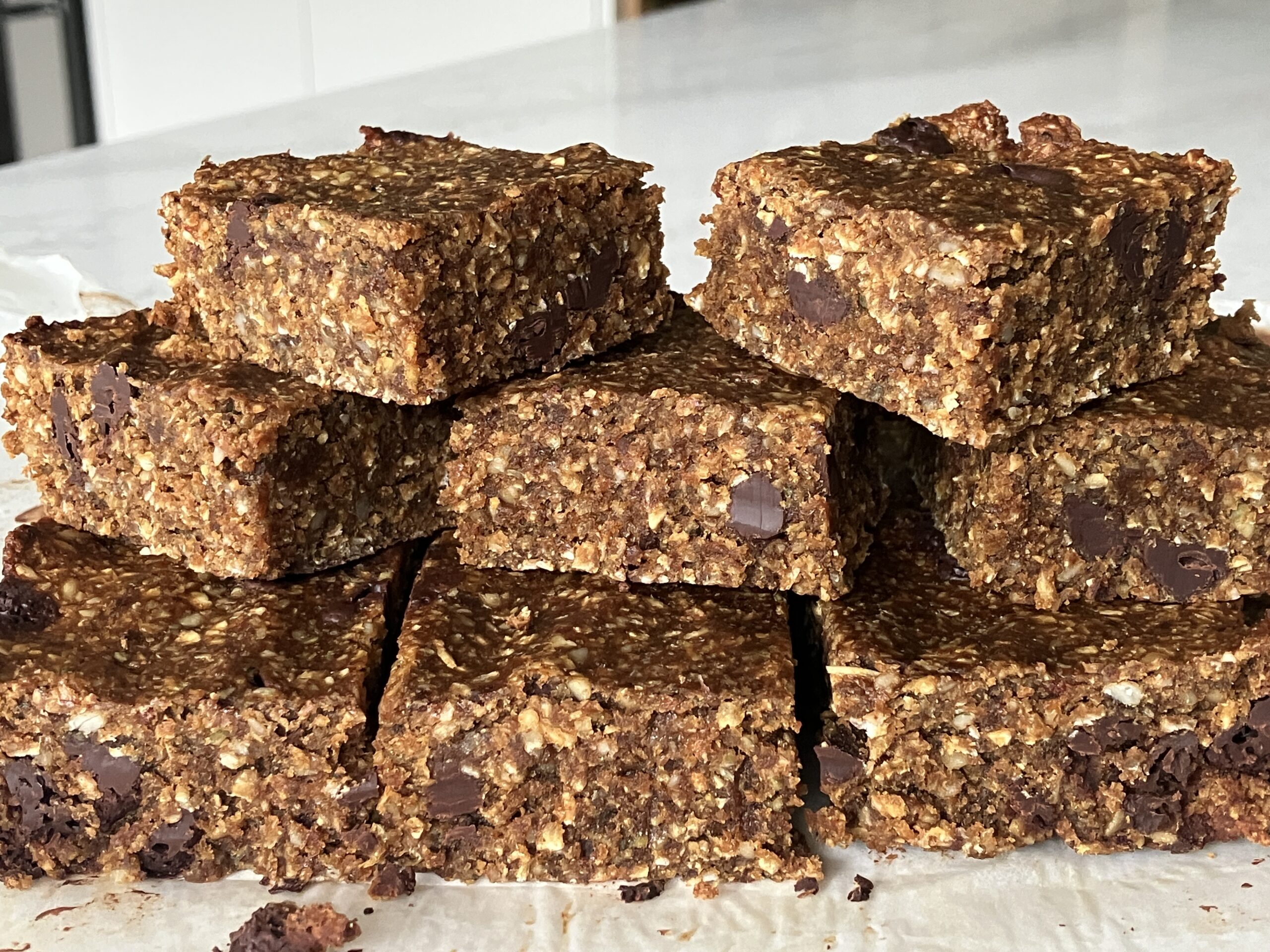
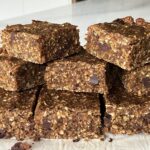
Granola Bars
Granola Bars
Makes 16 servingsIngredients
- 1 cup pitted Dates
- 1 1/2 cups oats
- 1/2 cup almond flour
- 1/2 cup unsweetened shredded coconut
- 1/4 cup ground flax seed
- 1/4 cup pumpkin seeds raw
- 1/4 cup sunflower seeds raw
- 1/4 cup hemp seeds
- 1/4 cup blackstrap molasses
- 1/4 cup almond butter
- 1/4 cup unsweetened applesauce
- 2 tsps cinnamon
- 2 tsps vanilla
Instructions
- Preheat your oven to 350°F (175°C). Line an 8×8-inch baking pan with parchment paper.
- In a food processor, add the pitted dates and process until they are chopped into smaller pieces.
- Add the oats, almond flour, shredded coconut, ground flax seed, pumpkin seeds, sunflower seeds, hemp seeds, cinnamon, and vanilla extract. Pulse until the mixture is roughly combined.
- Add the blackstrap molasses, almond butter, and applesauce. Process until the dough is fully combined and begins to form a ball. Scrape down the sides as needed.
- Transfer the dough to the prepared pan. Using wet hands, press it evenly into the pan.
- Bake for 20–25 minutes, or until the edges are just turning golden brown.
- Allow to cool completely in the pan before cutting into bars.
Notes
Customize with Extras: Before transferring the dough to the pan, stir in up to ½ cup of add-ins. Chocolate chips are a favorite, but dried fruit like goji berries, raisins, or cranberries, or cacao nibs for a less sweet option, work beautifully too. Easier Cutting: Let the bars cool completely before slicing to help them hold their shape. A sharp knife or bench scraper works well for clean cuts. Storage Suggestions: Once cut, wrap each bar individually in parchment or reusable wraps. Store them in an airtight container in the fridge for up to 1 week, or freeze for up to 2 months. They’re perfect for a quick grab-and-go snack! -
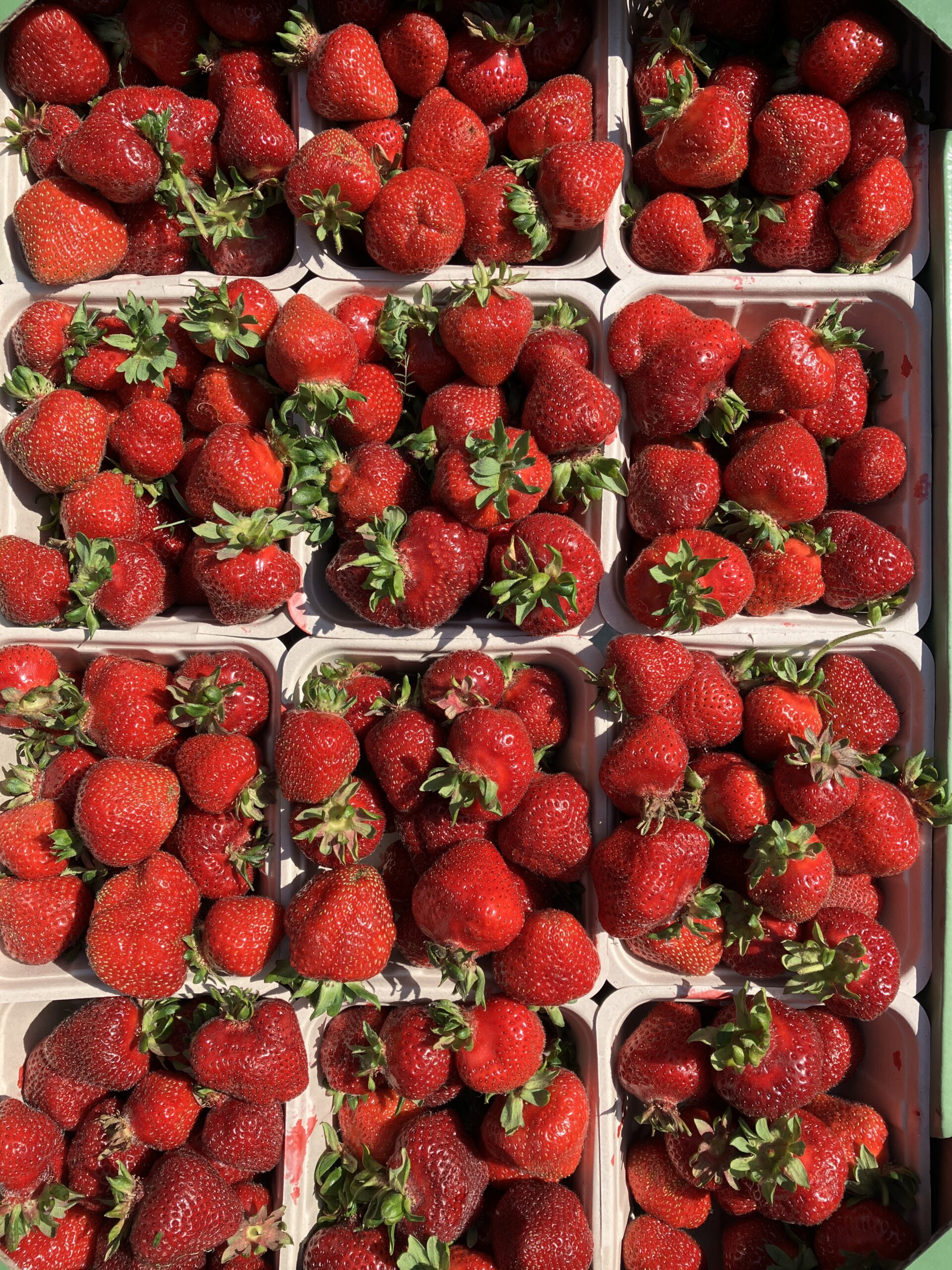
Eat Local, Feed Your Gut – June 2025 News from Gut Healthy
June’s newsletter is all about eating locally and why that’s good for your gut. There’s also an amazing quinoa Greek salad recipe that’s great for potlucks and picnics. Enjoy!
-
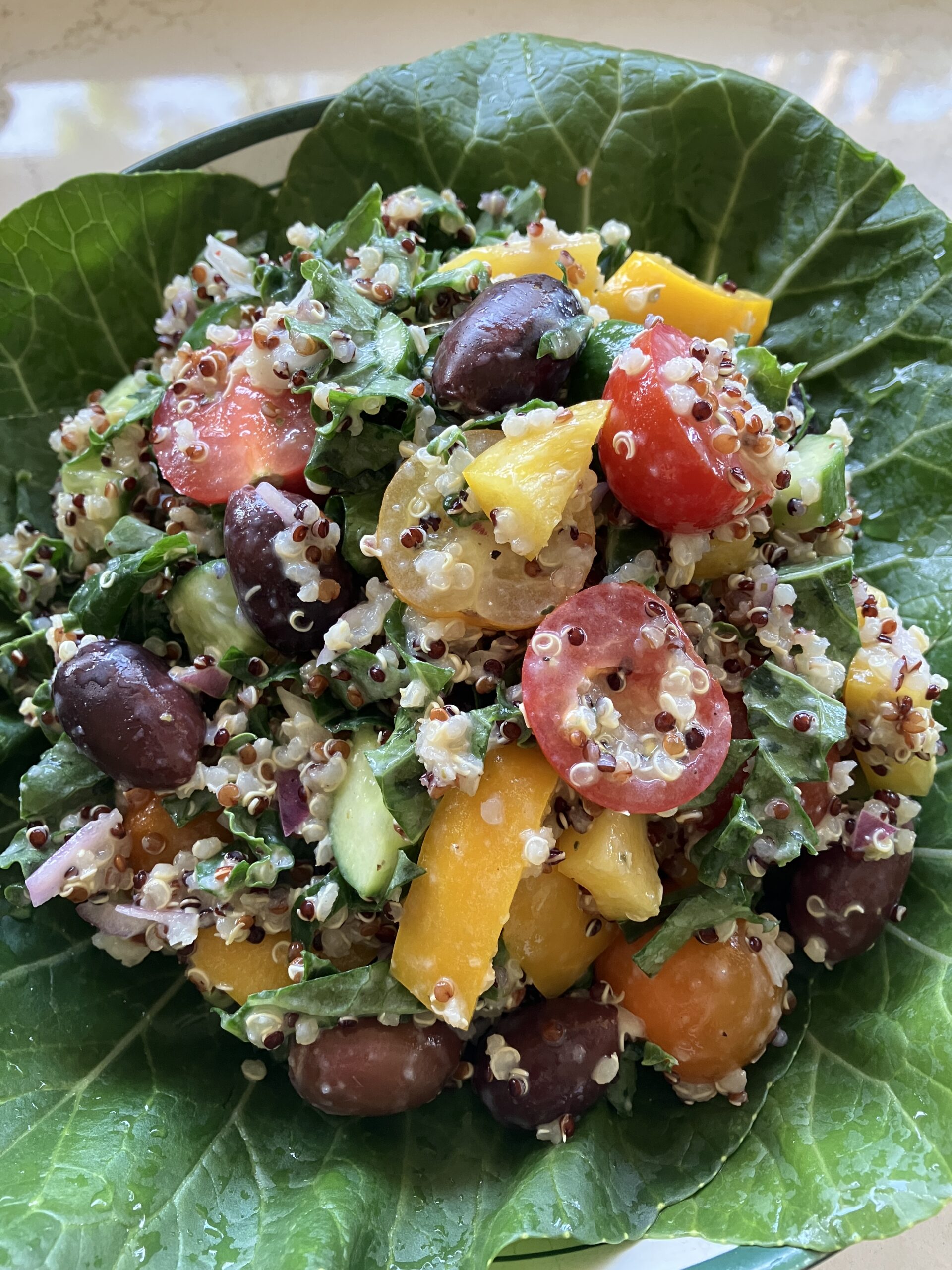
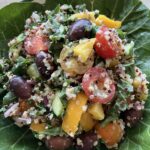
Quinoa Greek Salad
Quinoa Greek Salad
This bright and hearty Quinoa Greek Salad is a whole-food, plant-based twist on the Mediterranean classic. With crisp veggies, briny olives, and a creamy lemon-herb dressing, it’s a refreshing, satisfying dish that’s as nourishing as it is delicious.Servings 4Ingredients
- 3 tbsp lemon juice freshly squeezed
- 1 tbsp red wine vinegar
- ½ tsp dried oregano
- 1 clove garlic finely chopped
- ¼ tsp freshly ground black pepper
- ¼ cup silken tofu
- 2 cups quinoa cooked
- 1 cup grape tomatoes halved
- ½ large bell pepper chopped into cubes
- ½ cup pitted kalamata olives
- 1 cup leafy greens romaine, kale, arugula, spinach, chard, bok choy, etc., finely chopped
- 1 small red onion halved and thinly sliced
- ½ English cucumber cut into small cubes
- Feta cheese optional
Instructions
- Whisk together the lemon juice, vinegar, oregano, garlic and pepper in a small bowl. Slowly whisk in the silken tofu until well combined and smooth. (Or put all ingredients into a small food processor and process until combined.)
- Gently toss the cooked quinoa, tomatoes, peppers, olives, greens, red onion and cucumber in a large bowl. Drizzle with the dressing and gently toss once again.
- Cover and refrigerate for at least an hour.
- Just before serving, top with a handful of feta if desired.
Notes
This salad travels well and tastes even better after the flavours meld—perfect for picnics, potlucks, and make-ahead meals. Want to keep it fully WFPB? Skip the dairy and try this easy Tofu Feta—it’s tangy, crumbly, and simple to make at home. Make extra quinoa earlier in the week so you can throw this salad together in minutes. -
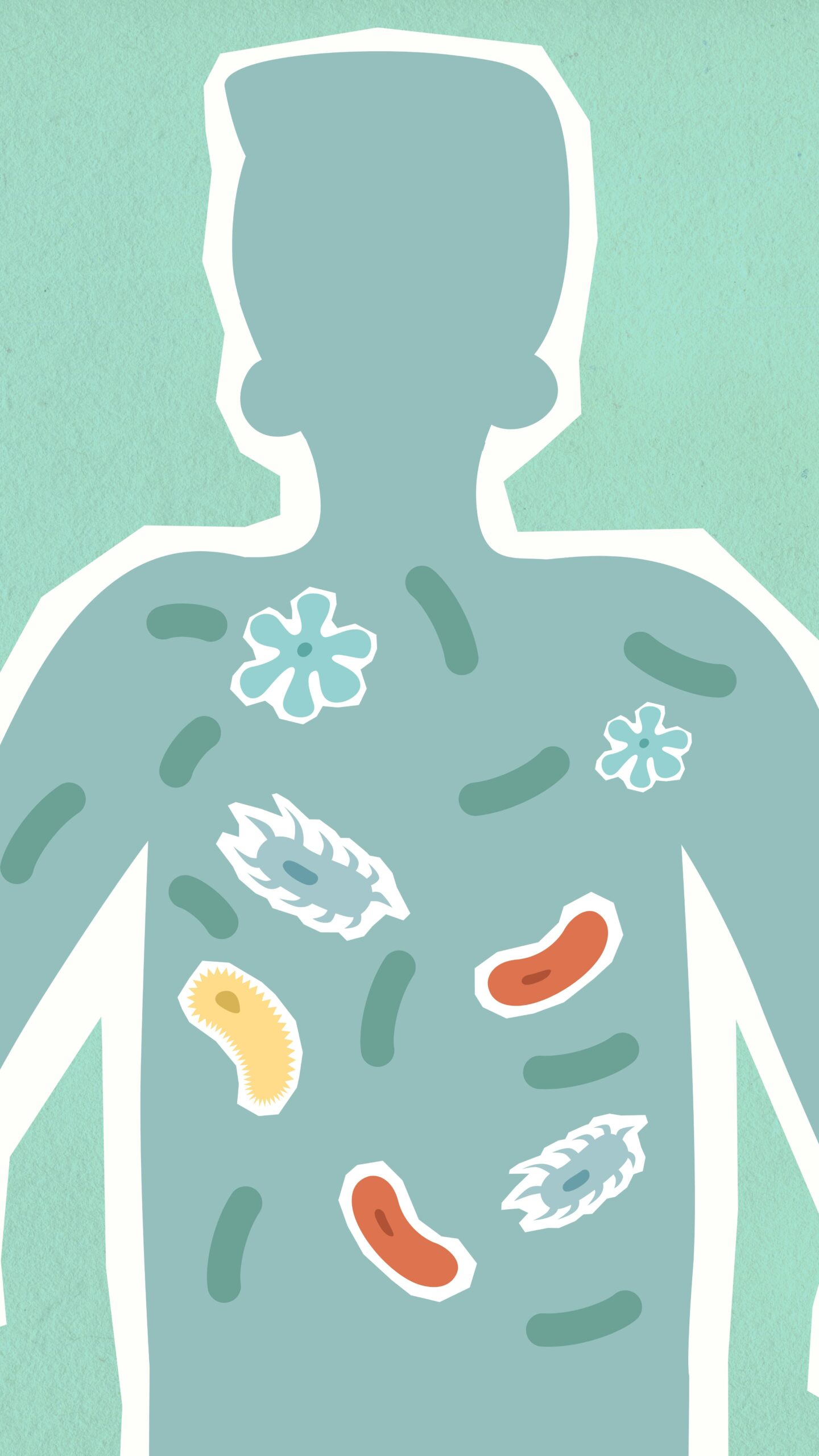
How Much Does Your Gut Health Impact Your Overall Health? A Lot, Doctors Say
I always get so excited when I see articles about gut health in the mainstream media. One recent piece highlighted the use of fecal transplants (FT) in healing Clostridium difficile (C. difficile) infections.
I know, I know—fecal transplants sound gross, but they’ve been shown to be more effective than antibiotics, with success rates over 85% compared to just 50%. C. difficile is known to wipe out healthy microbiomes, and FT can help repopulate them.
The old saying “you are what you eat” is so true. Did you know your poop is like a fingerprint? Even if you and I ate the exact same foods, our bodies would process them differently. Our digestion is highly individualized, which means everyone’s “poo print” is unique—a reflection of their own gut blueprint.
When people eat a high-fibre diet rich in vegetables and whole grains, more fibre reaches the colon, where microbes ferment it and release beneficial short-chain fatty acids, like butyrate. Butyrate helps signal the immune system, guiding it on what to do and when.
So next time you’re reaching for a snack and want a little immune boost, grab a handful of veggie sticks!
-
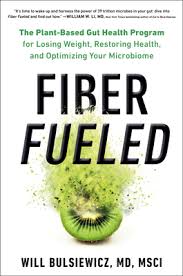
Book Review: Fiber Fueled by Dr. Will Bulsiewicz
I absolutely love this book and would recommend it to everyone. Dr. Will Bulsiewicz (a.k.a. Dr. B) is a gastroenterologist, but he’s also incredibly approachable. I’ve followed him over the years and genuinely appreciate his knowledge, compassion, and sense of humour. Nearly half the book is recipes, so don’t be intimidated, this is an easy, engaging, and entertaining read.
The book is thoughtfully structured into three parts, each building on the last:
- Part 1: Knowledge is Power
- Part 2: The Fiber Fueled Approach
- Part 3: The Fiber Fueled Plan
Part 1: Knowledge is Power
This section dives deep into gut microbiota. Did you know there may be up to 36,000 species of bacteria living in your gut? The key to a healthy gut is diversity. When the gut microbiome is imbalanced, it can contribute to a range of diseases. Dr. B discusses symptoms of a damaged gut, some expected (gas, bloating, abdominal pain), and others surprising (anxiousness, sinus congestion, bad breath).
He explores how the gut is essential to immune function and connects it to metabolic conditions (like obesity, type 2 diabetes, pancreatitis), hormonal conditions (endometriosis, sexual dysfunction, breast cancer), and neuropsychiatric conditions (Alzheimer’s, Parkinson’s, fibromyalgia, depression).
Dr. B. explains how our modern lifestyle, marked by being overfed, undernourished, and hyper-medicated, is damaging our health. He critiques the Standard American Diet (SAD) for its excess of sugar, refined carbs, salt, preservatives, additives, artificial sweeteners, unhealthy fats, animal protein, and fad diets.
He also takes a deep dive into fiber and short-chain fatty acids (SCFAs), explaining their powerful role in protecting against disease.
Part 2: The Fiber Fueled Approach
This section focuses on how to heal your gut by increasing fiber intake. For those who struggle with fiber digestion, there’s a full chapter dedicated to overcoming food sensitivities and intolerances. Fermented foods are another key element of gut healing.
Dr. B also breaks down the gut health essentials: prebiotics, probiotics, and postbiotics. To make it easier to remember what to eat, he introduces a simple acronym: F-GOALS
- F: Fruit & Fermented
- G: Greens & Grains
- O: Omega-3 Super Seeds
- A: Aromatics (onions, garlic)
- L: Legumes
- S: Sulforaphane (broccoli sprouts & cruciferous veggies)
Part 3: The Fiber Fueled Plan
The final section lays out a practical, approachable plan to put the knowledge into action. It includes easy and tasty recipes to help you start your journey toward better health.
This book is amazing—it provides both the “why” and the “how” behind the plan, which is key to lasting change.
If you’re living with GI issues or chronic disease and haven’t read Fiber Fueled, get yourself a copy now. You won’t be disappointed, and you’ll be well on your way to better health. And if you ever get the chance to hear Dr. Bulsiewicz speak, don’t miss it—he’s down-to-earth, knowledgeable, and truly inspiring.
- Part 1: Knowledge is Power
-
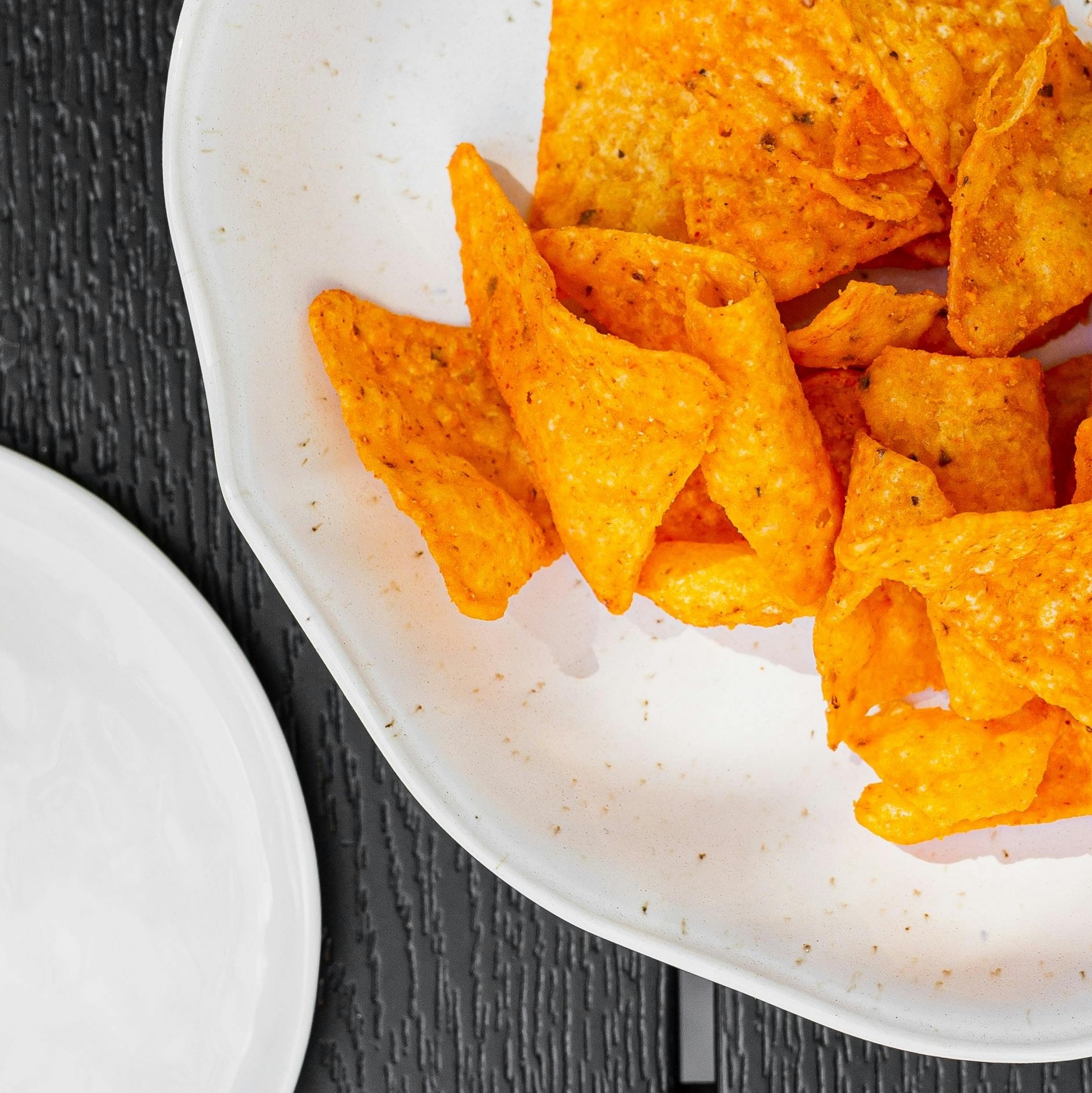
Mental Health Awareness Month – May 2025 News from Gut Healthy
May is Mental Health Awareness Month. Check out my latest newsletter for the answer to: “What Do Doritos Have to Do with Mental Health?”
-
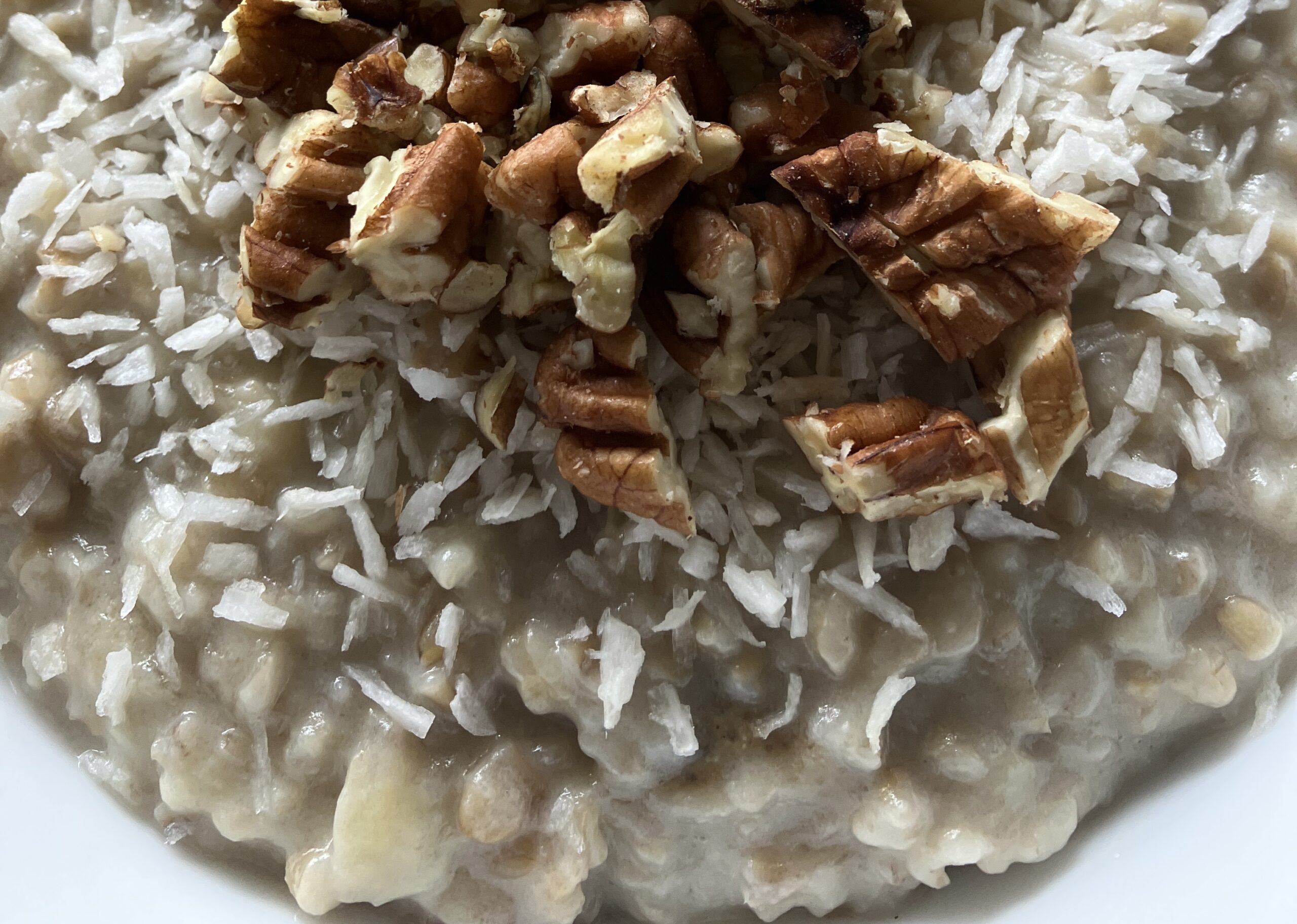
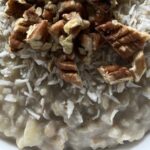
Coconut Steel Cut Oats
Coconut Steel Cut Oats
Makes 4-6 servingsIngredients
- 1 can coconut milk
- 1 2/3 cups soy milk 400 ml, same as the can of coconut milk
- 1 cup steel cut oats
- 2 bananas mashed
Instructions
- In a medium saucepan, bring the coconut milk and soy milk to a boil.
- Add the steel cut oats, reduce the heat to low, and simmer gently, uncovered, for 20 minutes, stirring occasionally.
- Stir in the mashed bananas and cook for an additional 5 minutes, or until the desired consistency is reached.
-
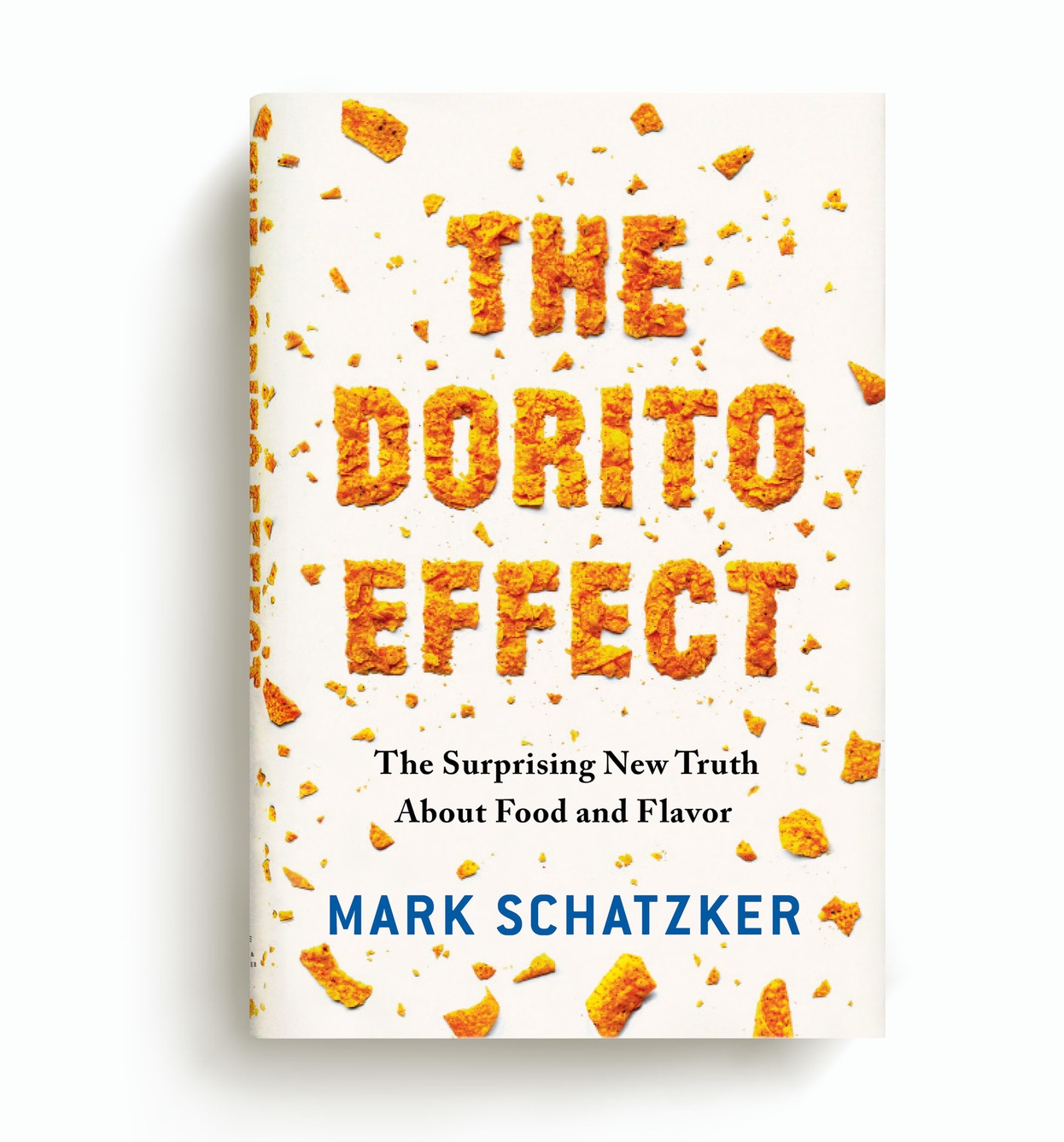
Book Review: The Dorito Effect: The Surprising New Truth About Food and Flavor by Mark Schatzker
Is natural flavor actually natural? Quick—yes or no…or maybe? Or is this a trick question?
I’m not sure how The Dorito Effect ended up on my reading list (it came out back in 2015), but I’m glad it did. It’s an interesting dive into the world of flavor and how the food industry has quietly changed the way we eat. As someone who follows a whole-food, plant-based diet, I’ll admit the parts about chicken—especially fried chicken—didn’t do much for me. But the sections on tomatoes, and vanilla and its synthetic counterpart vanillin? Those really stuck. I mean, there’s nothing like real vanilla or a sun-ripened heirloom tomato picked right off the vine. Compared to that, supermarket tomatoes are just… sad and bland.
Schatzker’s main idea—what he calls The Dorito Effect—is that over the past handful of decades, real food has lost its natural flavor thanks to industrial farming. To make up for it, food companies started adding artificial flavorings to make bland food taste exciting. This messes with our natural instincts to choose foods based on what our bodies need. Basically, we’re being tricked into eating more and enjoying it less.
He traces the start of all this back to the 1960s, when Frito-Lay launched taco-flavored Doritos. They tasted like tacos but had none of the real ingredients. It was a marketing hit—and a major turning point. Suddenly, taste didn’t need to come from real food anymore. Flavor could be engineered. And once that door opened, the food industry ran with it.
One of the most interesting concepts in the book is “nutritional wisdom”—the idea that humans (and animals) have an instinct for choosing the foods our bodies need. But when everything is artificially flavored, our instincts don’t work the way they’re supposed to. That’s how we end up craving nutrient-poor junk food that’s been engineered to taste amazing.
Schatzker outlines how fake flavors mess with us:
- Dilution: Real food becomes bland, so we stop wanting it.
- Nutritional Decapitation: When we isolate flavor from real ingredients, we lose the nutrition that should come with it.
- False Variety: Fake flavors make similar processed foods seem more diverse than they actually are.
- Cognitive Deception: Our minds get fooled—like when strawberry yogurt tastes like strawberries but doesn’t contain any.
- Emotional Deception: Flavor tech targets the part of our brain that experiences feelings.
- Flavor-Nutrient Confusion: Artificial flavors create expectations that real food can’t meet.
Schatzker makes a strong case that this manipulation of flavor plays a big role in the obesity epidemic and related health issues. We’re eating more but getting less nutrition, and our taste buds—and brains—are confused.
He ultimately argues for going back to real, flavorful food. Eat things that are naturally delicious and you won’t need to fake it with additives. For both health and enjoyment, that’s the way forward.
So, back to the original question: are natural flavors actually natural? Turns out, not really. They start from natural sources, but by the time they’ve been processed in a lab and blended into food, they’re far from what nature intended. Their job is to make things taste good—not to nourish us. That’s why Schatzker (and I) recommend reading ingredient labels closely.
The Dorito Effect is an eye-opening read if you’re curious about nutrition, food science, or why modern food tastes the way it does. It might not appeal to everyone, but if flavor and health matter to you, it’s well worth your time.
- Dilution: Real food becomes bland, so we stop wanting it.